





Anthropic logo is seen in this illustration taken March 1, 2026. REUTERS/Dado Ruvic/Illustration
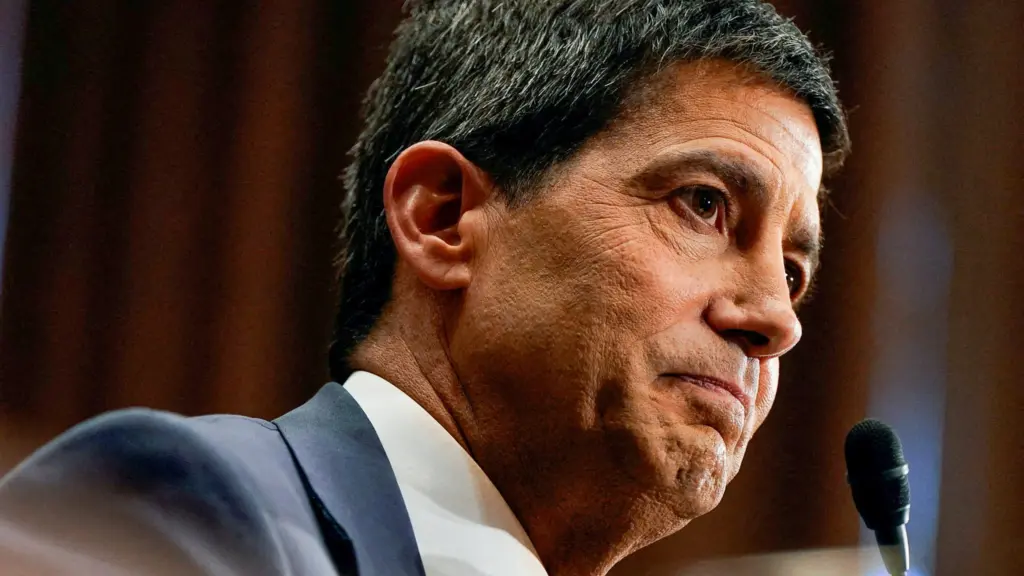
(Wall Street, New York) – Andrej Karpathy, one of the best-known names in artificial intelligence, is joining Anthropic as the company pushes deeper into the race to build next-generation AI models.
Karpathy announced Tuesday that he has joined the company, saying he is returning to research and development at a moment he views as especially important for the future of large language models.
At Anthropic, Karpathy is working on the company’s pre-training efforts, the stage where massive AI systems are trained on huge amounts of data before they are refined into products like Claude. It is one of the most expensive and technically demanding parts of building a frontier AI model.
The move is a major hire for Anthropic, which is competing directly with OpenAI, Google and other major AI labs. Karpathy is expected to help build a team focused on using Claude itself to improve and speed up pre-training research.
Karpathy’s career has made him one of the rare AI figures with major experience across research labs, consumer products and autonomous driving. He helped found OpenAI, later led Tesla’s AI work on Autopilot and Full Self-Driving, then returned to OpenAI before leaving again to launch Eureka Labs, an AI education startup.
His move to Anthropic suggests the company is betting that the next leap in AI may not come only from bigger chips and more computing power, but from using AI systems to improve the research process itself.
Karpathy said he remains interested in education and expects to return to that work later, but his immediate focus is now on frontier model development at Anthropic.
The company also added cybersecurity veteran Chris Rohlf to its frontier red team, which tests advanced AI systems for serious security risks. Rohlf previously worked at Yahoo, Meta and Georgetown’s Center for Security and Emerging Technology.
Together, the hires show Anthropic strengthening two key areas at once: building more capable AI models and stress-testing them for real-world risks.