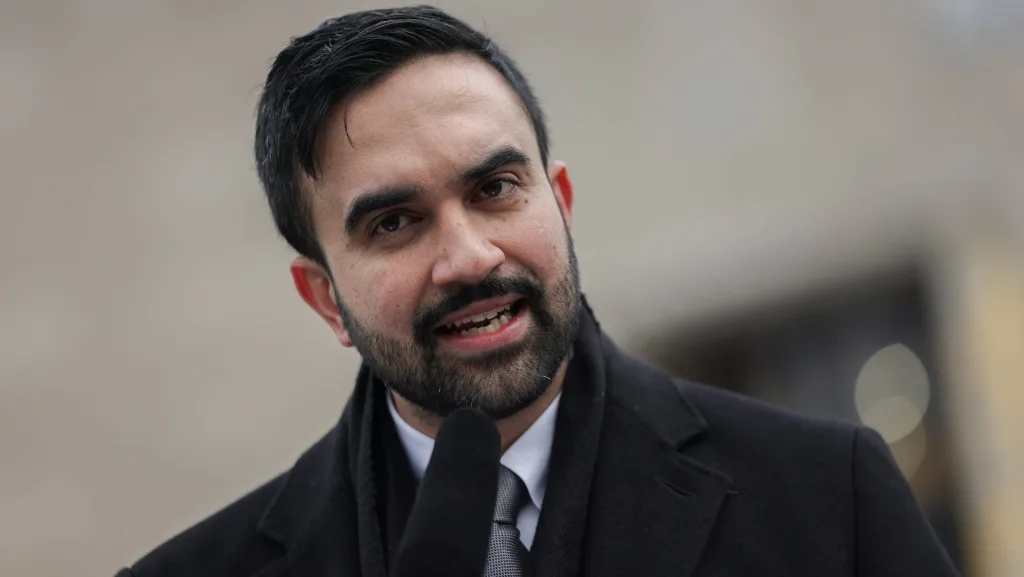




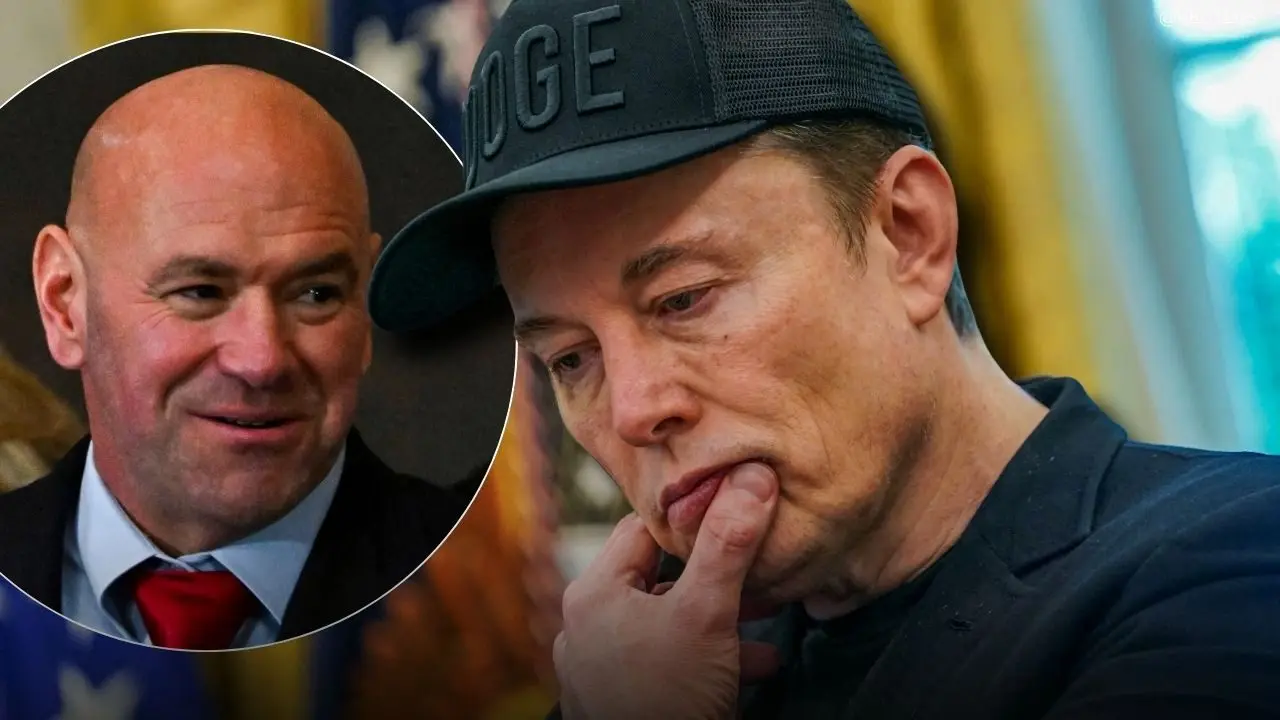
Dana White attends the inauguration day of U.S. President-elect Donald Trump's second Presidential term in Washington, U.S. January 20, 2025. Ricky Carioti/Pool via REUTERS REFILE - CORRECTING ID FROM "JOE ROGAN" TO "DANA WHITE". // Elon Musk reacts during a press conference with U.S. President Donald Trump (not pictured), at the White House in Washington, D.C., U.S., May 30, 2025. REUTERS/Nathan Howard
(New York, New York) – Calls for nationwide voter identification laws are intensifying after Joe Rogan and Elon Musk used a recent conversation to spotlight what they argue are dangerous loopholes in U.S. election systems – particularly in Democrat-controlled states.
During the discussion, both men zeroed in on voting rules in California and New York, where voters are generally not required to present photo identification at polling places. Rogan emphasized that in some cases, voters are not even permitted to show ID voluntarily, a policy he said defies basic election security standards.
“If you’re trying to facilitate fraud in elections, it’s a great idea,” Rogan said. “There’s no other reason.”
Musk agreed, arguing that eliminating ID requirements while simultaneously expanding mail-in voting creates a system vulnerable to abuse. He framed the issue as a matter of common sense, asking what safeguards would be removed if someone were deliberately trying to weaken election integrity. The answer, he suggested, would be eliminating voter ID and making ballot verification more difficult.
Supporters of voter ID laws argue that requiring identification is a minimal and reasonable step to protect public confidence in elections – one already standard in everyday activities such as flying, purchasing alcohol, or opening a bank account. They contend that resistance to voter ID comes not from concern for access, but from political calculations that benefit one party.
Democrats and voting-rights groups have long countered that voter ID laws could discourage turnout among certain populations, though critics argue that claim has been repeatedly undermined by data showing broad public support for ID requirements across racial and political lines.
With trust in elections already strained, Rogan and Musk’s comments have reignited debate over whether the United States should adopt uniform national standards – or continue allowing states to operate under widely varying rules.
For advocates of voter ID, the question is simple: if elections are secure, proving who you are should not be controversial. And if it is, they argue, Americans should be asking why.