






The Creative Commons.
(Iwo Jima) – As America counts down to its 250th birthday, we look back at this day in history—when one of the bloodiest battles of World War II finally came to an end.
On March 26, 1945, U.S. forces officially declared the island of Iwo Jima “secure,” marking the conclusion of a brutal, weeks-long fight in the Pacific during World War II.
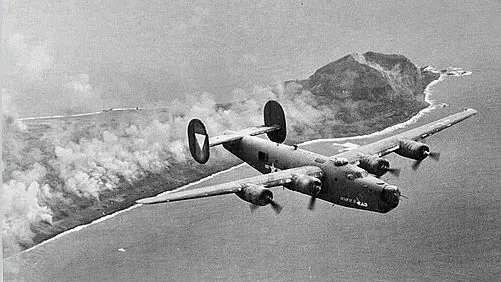
The battle didn’t begin overnight. For months leading up to the invasion, American forces relentlessly bombarded the island, attempting to weaken deeply entrenched Japanese defenses. Nearly 21,000 Japanese troops had transformed Iwo Jima into a fortress—digging tunnels, caves, and reinforced bunkers across the volcanic terrain.
When U.S. Marines landed on February 19, 1945, they were immediately met with devastating fire. Within hours, hundreds were killed and thousands wounded. What followed was a slow, grueling push across the island—often measured in yards, not miles.
At the center of the ბრძოლ was Mount Suribachi, a strategic high point held by Japanese forces. Days into the fight, U.S. Marines captured the mountain and raised the American flag—an image that would become one of the most iconic photographs in American history.
But even after that moment, the fighting didn’t stop.
Japanese forces continued to resist from underground positions, forcing U.S. troops into close-quarters combat using flamethrowers, grenades, and demolition charges. It wasn’t until March 26 that organized resistance ended and the island was officially secured.
The cost was staggering: more than 6,000 U.S. Marines were killed, and nearly all of the Japanese defenders lost their lives.
Today, Iwo Jima stands as a symbol of sacrifice, resilience, and the brutal realities of war—an enduring chapter in the story of America.
As we mark another day in the march toward 250 years of independence, this moment reminds us of the price paid to defend it.