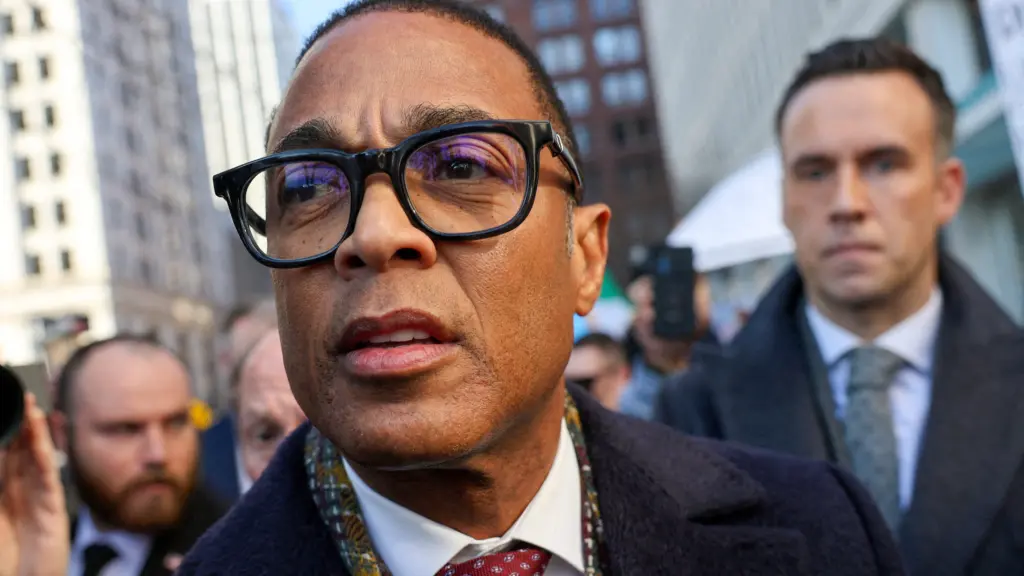





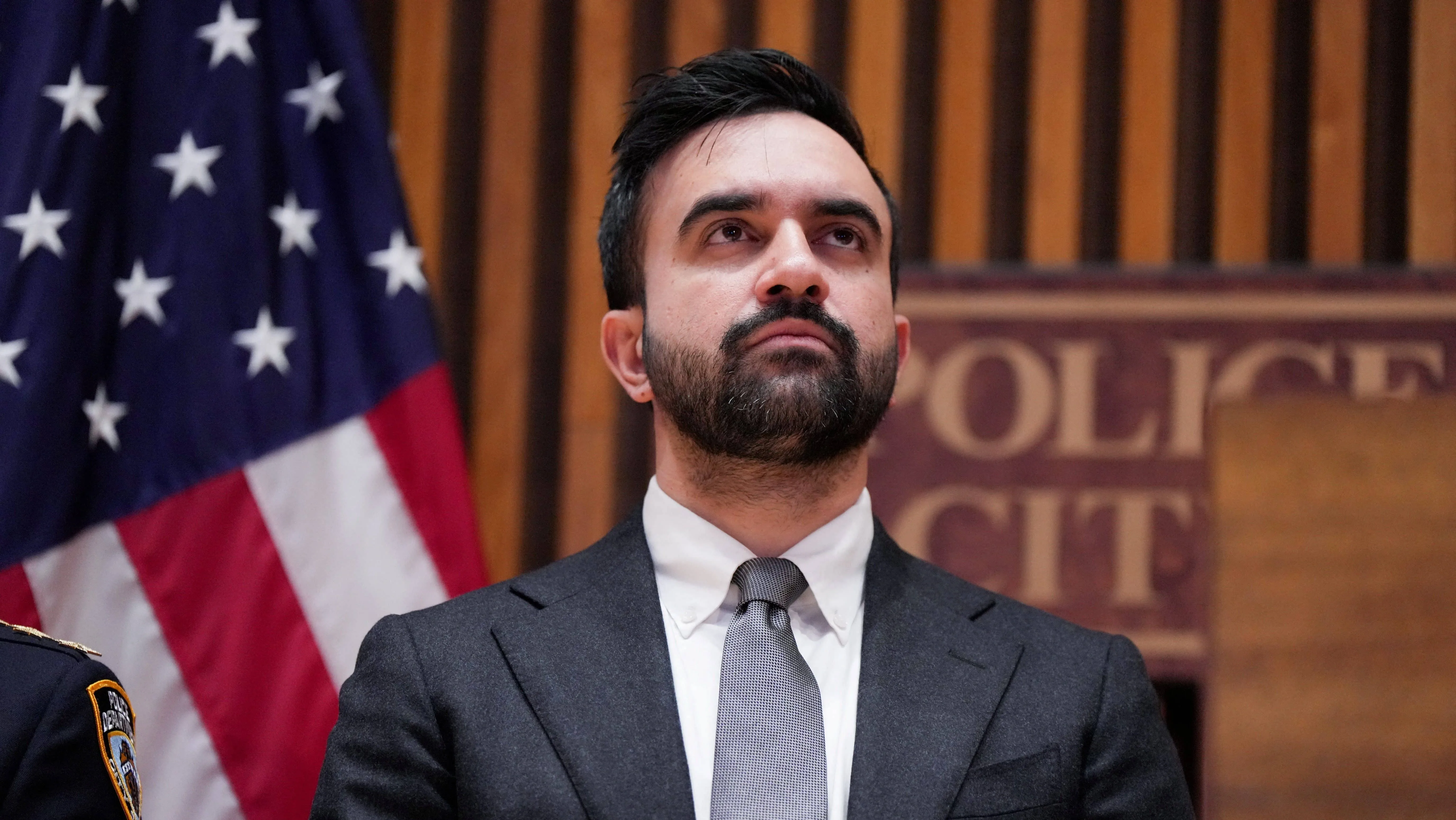
New York City Mayor Zohran Mamdani attends a press conference REUTERS/Angelina Katsanis
New York City Mayor Mamdani, Governor Hochul and City Police Commissioner Jessica Tisch attend a press conference in New York City
(New York, NY) — Mayor Zohran Mamdani is giving Governor Kathy Hochul an ultimatum – raise taxes on wealthy individuals and corporations, or he will raise property taxes in New York City. He says the big apple has a huge budget shortfall that must be filled to enact his budget plan. To pass a tax on wealthy New Yorkers, a bill would have to make it’s way through the state legislature and be signed off on by Governor Hochul, something she says there is no way she will do. So, the Mayor says his next option is raising property taxes by 9.5%. That tax plan would have to be voted in by the City Council. Speaker Julie Menin says there is no way her body will approve a property tax hike for New York homeowners.
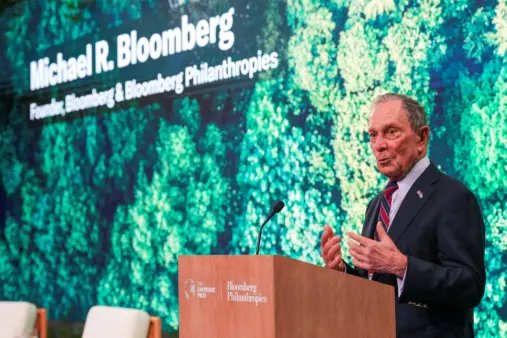
The city hasn’t raised property taxes in 23 years, since the Mayor Michael Bloomberg administration. What happened back then? How did the city fare after that tax hike, and could Mayor Mamdani push through a lower property tax that his city council members could agree on?
In 2002, Mayor Bloomberg negotiated a budget deal with the city council and they greenlighted an 18.5% property tax increase. Bloomberg who pledged during his run for mayor not to raise taxes, backtracked once in office saying they had to address a massive fiscal crisis after the 9/11 attacks. He argued the without a tax hike the city would have to make crippling cuts to essential services.
Single-family homeowners complained as their average annual property tax bills rose from $1,853 to $2,024. Co-op owners were smacked with annual taxes increases from $2,683 to $2,931, and condo owners saw an average annual hike of $4,521 to $4,939. a year.
New York City did see an exodus out of the city in the year after the tax was put in place. Between 2002 and 2005 more people were moving out of the city than moving in from other parts of the country. Small businesses and office tenants saw an immediate rent hike. The new tax burden forced the hospitality and retail sectors to raise prices for goods and services too.
The property tax increase generated around $839 million in its first partial fiscal year, and close to $1.7 billion of revenue the following full year. City council members and the Mayor said the new tax revenue put the city on a solid road to recovery. The revenue also help the city create a rainy day reserve fund.
Mayor Bloomberg took a huge political hit in the months after the new tax was enacted. The mayor’s approval rating plummeted to just 32% . Republican voters on Staten Island, the ones who helped elect Bloomberg said they felt the most betrayed by his move. But the mayor was able to use his own personal fortune to mount a re-election campaign in 2005 and won a second term. By 2007, the city was in such good financial shape that the mayor and city council lowered property taxes by 7%.
City Hall watchers believe Mayor Mamdani and his close allies have closely studied the Bloomberg tax hike and have tweaked the plans to work in 2026. The question is will it work this time around, and can the Mayor survive the fallout from any tax hike he enacts.