






© 2025 Thomson Reuters
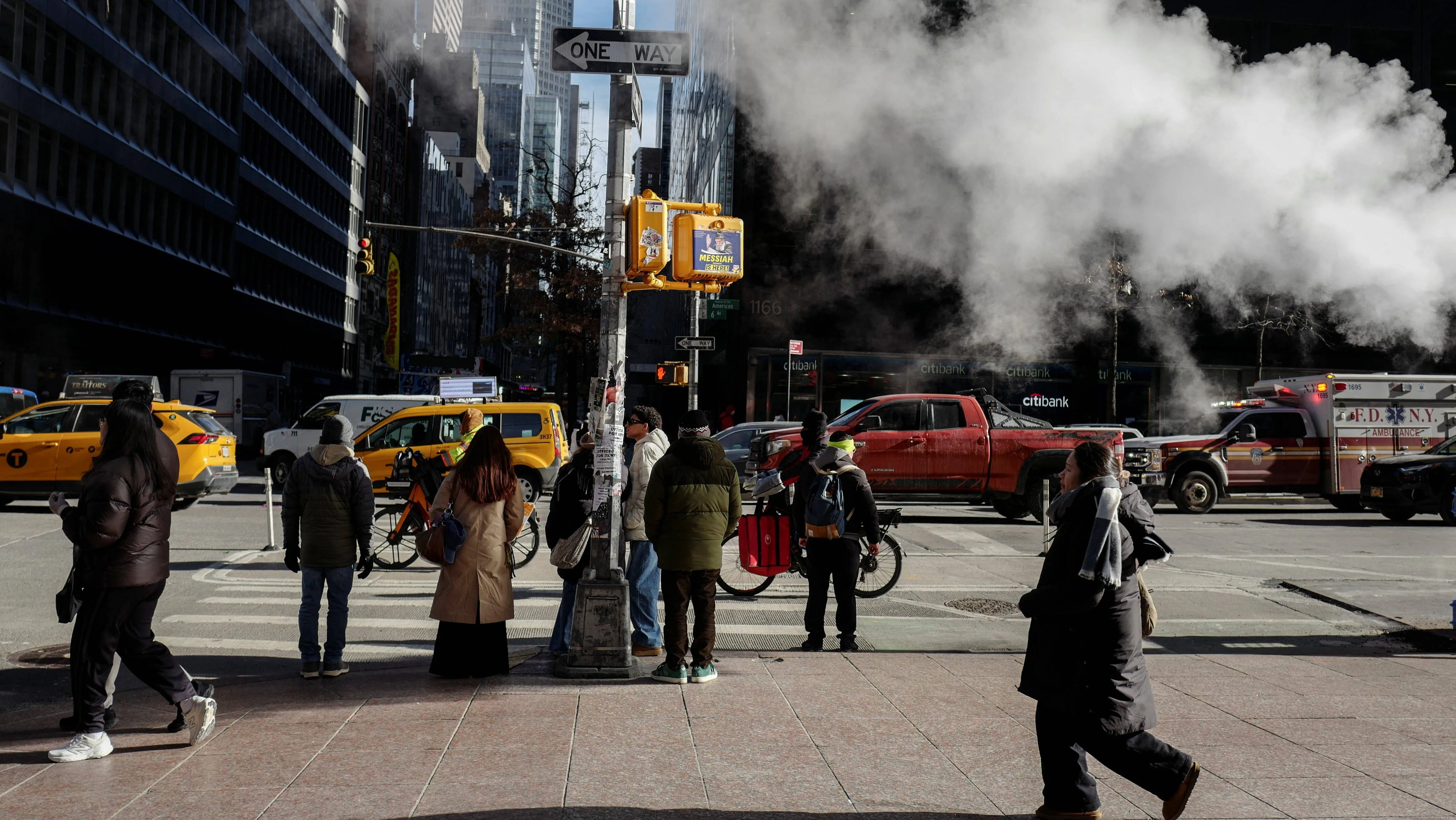
Pedestrians walk during cold weather in Midtown Manhattan, New York City
(New York, NY) — New York City has seen an alarming number of deaths linked to the recent extreme cold snap, as prolonged sub-freezing temperatures have gripped the region. City officials say as of February 4th, 17 people have now been found dead outdoors during this stretch of frigid weather, with hypothermia playing a role in the majority of those cases, while several others appear tied to overdoses discovered in cold conditions. The victims were found across the five boroughs, and many had previously had interactions with shelter services even as the city works to expand outreach and shelter placements.
Mayor Mamdani Addresses Removing Homeless People From Frozen Streets:
Officials have pointed to the exceptionally low temperatures — part of one of the longest stretches of below-freezing weather the city has experienced in years — as a key factor in the deaths, particularly among vulnerable populations who remain exposed to the elements. In response, the city has maintained a Code Blue weather emergency, activated warming centers, expanded shelter capacity, and urged residents to call 311 if they spot anyone in need of help. Advocates say the spike in cold-related fatalities underscores broader challenges for unsheltered New Yorkers, and local leaders are calling for increased support for long-term housing and services to help prevent future tragedies
Mayor Mamdani Reacts To New Yorkers Frustrated With The Bitter Cold:
@77wabc Mayor Zohran Mamdani responds to a reporter regarding frustrated New Yorkers about the response to the snow storm.
The bitter cold gripping the tri-state area isn’t just uncomfortable — it’s exhausting. If you’re feeling unusually tired, unmotivated, or just “off,” you’re not alone. Experts say many people experience what’s known as cold fatigue, as frigid temperatures and limited daylight take a toll on both physical and mental health. Studies suggest as many as 40 percent of people report a noticeable drop in mood during prolonged cold spells. You may find yourself sleeping more than usual, feeling sluggish, or losing interest in hobbies and activities you normally enjoy.
77WABC Overnight Host Discusses The Freezing Weather:
A leading psychologist at Northwell Health says cold weather can disrupt our routines and reduce exposure to sunlight, which plays a key role in regulating mood. Believe it or not, she recommends getting outside during daylight hours whenever possible — even if it’s just a short walk — because natural light can help boost serotonin levels. She also says acceptance matters: while we can’t change the weather, adjusting expectations and focusing on small, manageable routines can help us cope. And there is good news — winter does end, the days will get longer, and relief is on the way.
If you don’t like the cold, the bad news is it’s going to stick around for awhile. Meteorologists are currently signaling that the cold weather pattern experienced in early February across the New York Tri-State area is likely to persist into the latter half of the month, with temperatures trending below their historical averages for this time of year. Long-range forecasts and climate model guidance suggest a high probability that February will finish colder than normal, driven in part by lingering Arctic air masses and atmospheric patterns. These signals point to average temperatures remaining several degrees below typical February norms through the second half of the month.
In the meantime, many New Yorkers are hoping to get out of town to warm up. They’re hoping to trade in their snow boots for flip-flops, the sound of the ocean and sunscreen. Florida, the Caribbean and Mexico were top of mind when it came to vacation plans. In addition, JetBlue was even running a promotion on flight discounts out of New York City to warmer climates.