







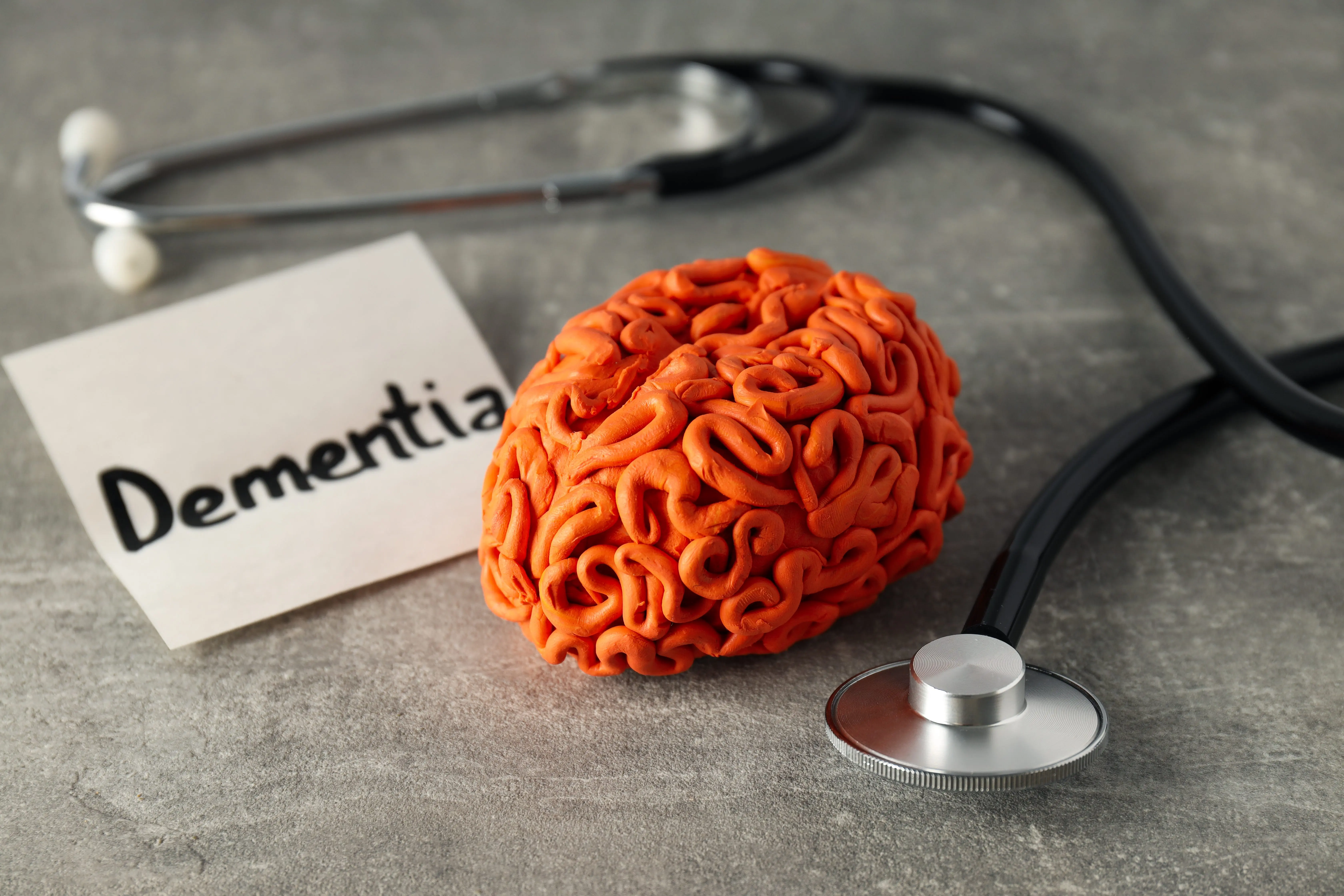
Dementia and Alzheimers
Dementia
In the global race to slow the rise of Alzheimer’s and dementia, a surprising trace element, lithium, has entered the conversation and caught the attention of the longevity world. Long known for its psychiatric use at high doses, lithium is now being re-examined in a radically different light, as a natural micronutrient that, in very small quantities, may help protect the brain and even extend lifespan.
Recent findings suggest that trace amounts of lithium orotate or aspartate in drinking water could be associated with lower rates of dementia and longer lifespan. A 2011 study led by Dr. Michael Ristow at the University of Jena found that Japanese municipalities with higher natural lithium concentrations in tap water had significantly lower mortality rates. The same research team demonstrated that tiny doses of lithium extended the lifespan of lab worms, implying a cellular effect linked to stress resistance and DNA repair (PubMed, 2011).
The idea gained further attention when analyses of the UK Biobank, a half-million-person study indicated that patients treated with lithium had lower overall mortality compared with other psychiatric medications. However, that paper was later retracted for data-use issues, although the association remains an intriguing clue in the longevity puzzle.
The most compelling evidence for brain health, however, comes directly from dementia studies. In 2017, Danish researchers examined more than 800,000 individuals and also found that regions with higher lithium in drinking water had up to 17 percent fewer dementia cases compared to those with lower levels (JAMA Psychiatry, 2017). A 2025 report from Harvard Medical School went even further: scientists discovered that the brains of people with Alzheimer’s had depleted lithium levels, and in mouse models, micro-doses of lithium orotate restored memory function and reduced amyloid and tau buildup, hallmarks of the disease (Harvard Medicine News, 2025).
Biochemically, lithium appears to act as a cellular protector. It inhibits the enzyme GSK-3, which plays a role in neurodegeneration, and activates pathways linked to antioxidant defense and mitochondrial energy production (ScienceDirect, 2016). In animal studies, trace lithium improved stress resilience and slowed age-related decline without the toxicity associated with higher doses.
However, experts are still urging caution. The lithium concentrations observed in these beneficial studies are thousands of times lower than psychiatric doses. High levels can cause serious side effects, including kidney and thyroid damage. Moreover, the existing research is observational, meaning it shows association, not causation. Clinical trials proving that micro-dosed lithium can prevent Alzheimer’s in humans are still lacking.
For now, lithium’s potential as a natural neuro-protector remains a fascinating and hopeful, but still an unproven frontier that needs more clinical research. The emerging hypothesis is that, just as iodine is essential for thyroid health, trace lithium may play an under-appreciated role in maintaining brain resilience.
Researchers agree on one thing: if lithium’s protective role is confirmed, it could represent one of the simplest and most affordable strategies for preserving cognitive health worldwide. Until then, one thing is for sure, experts emphasize evidence-based prevention with Mediterranean diet, exercise, sleep, vascular health, and cognitive engagement, while viewing trace lithium as an intriguing scientific possibility, however no yet a proven prescription.
Sources:
Zarse K et al., Eur J Nutr 2011 (PubMed); Kessing LV et al., JAMA Psychiatry 2017; Harvard Medical School 2025; ScienceDirect 2016.