






Microplastics
Microplastics
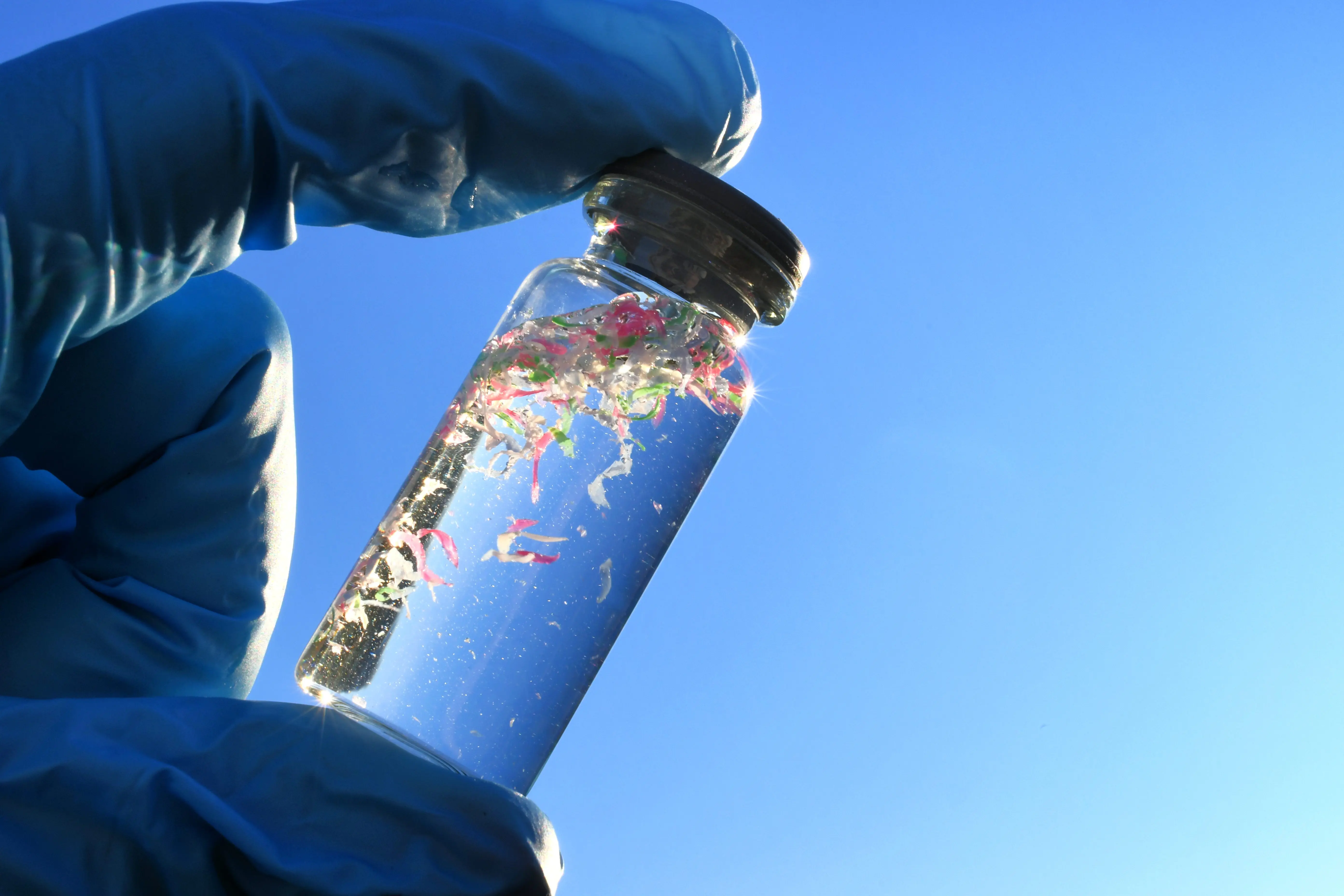
A new federal research effort is putting microplastics the tiny particles now found in the air we breathe, the water we drink, and the food we eat at the center of a nationwide health initiative at HHS.
The U.S. Department of Health and Human Services announced a $144 million program through its Advanced Research Projects Agency for Health (ARPA-H) to better understand how microplastics accumulate in the human body and whether they can be safely removed. The program, called STOMP, will bring together scientists, medical researchers, and engineers to tackle a problem that researchers say is still largely unexplained.
According to scientists, microplastics have already been detected in several parts of the human body, including the lungs, arteries, and brain. Scientists believe these particles enter the body through everyday exposure, from packaging, clothing fibers, food containers, drinking water, and even household dust. What remains unclear is how much of these particles stay in the body, which types are harmful, and what they may be doing to human health over time.
One of the biggest problems facing researchers today is measurement. There is still no universally accepted way to measure microplastics in the human body, and different laboratories often produce different results. Without consistent measurement, scientists say it is difficult to determine risk or develop treatments.
The new federal program will begin by focusing on measurement and mapping essentially trying to determine where microplastics go once they enter the body and how they interact with organs and biological systems. Researchers will also work to develop a clinical test that could measure how many microplastic particles are in a person’s body, something that currently does not exist. The Centers for Disease Control and Prevention will help validate the testing methods to ensure the results are reliable.
The second phase of the program will focus on possible removal. Scientists plan to explore medical and biological methods that could one day help the body eliminate certain microplastics safely. Researchers say that step cannot happen until they understand which particles are most dangerous and where they tend to accumulate.
Health officials say the long-term goal is to create tools that doctors and the public can use to monitor exposure and reduce risk, particularly for vulnerable groups such as children, pregnant women, and people with chronic health conditions.
While plastics remain a part of modern life, researchers say understanding how these particles behave inside the human body may become one of the most important public health questions of the coming decades.
Source ARPA-H