






cargo-ships
cargo-ships
A prominent Greek shipping executive warns that escalating tensions in the Strait of Hormuz are creating one of the most dangerous environments for commercial vessels in recent years. With nearly 30 percent of the world’s energy transported on Greek-owned ships, the sector remains a cornerstone of the global economy.
Speaking on 77 WABC Radio’s “Cats & Cosby” with John Catsimatidis and Rita Cosby, Greek shipping executive Nicholas Tsakos, founder and CEO of the New York Stock Exchange–listed tanker company TEN Ltd., described a growing crisis affecting hundreds of ships and a large portion of the world’s energy supply.
Tsakos explained that the Strait of Hormuz, a narrow waterway connecting the Persian Gulf to global markets, has effectively become a high-risk zone where many vessels are unable to move safely.
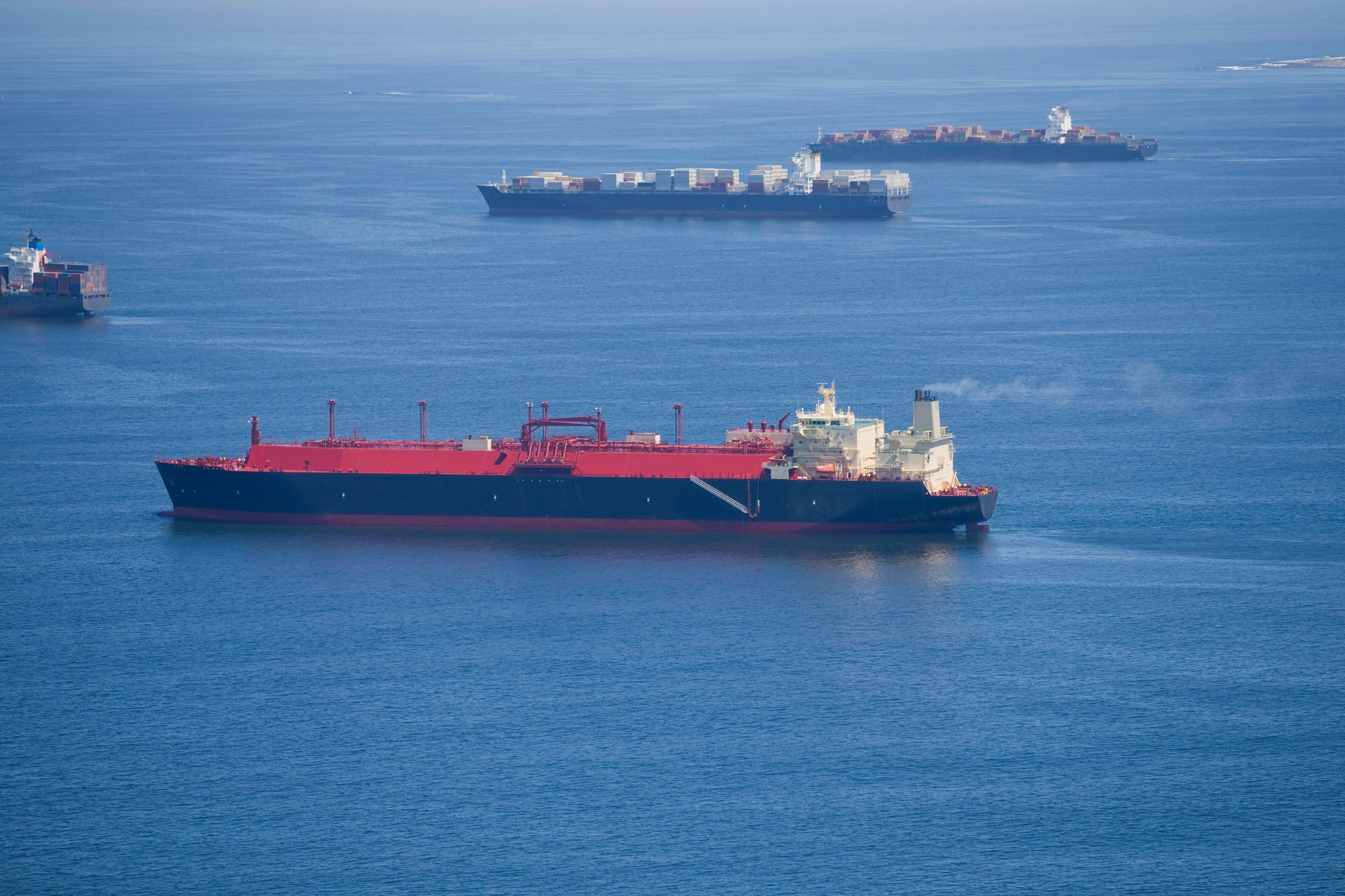
According to Tsakos, roughly 600 commercial ships are currently delayed or trapped in the region, including about 230 oil tankers and around 20 liquefied natural gas carriers. In total, he estimates that as much as 250 million barrels of oil and energy supplies are tied up on vessels waiting to move through the strait.
“That amount represents roughly a week of global energy consumption,” Tsakos said during the interview. “It’s comparable to grounding a large portion of the world’s airline fleet.”
The veteran shipowner also stressed the human cost of the situation. Every vessel typically carries crews of 20 to 30 seafarers, many of whom have remained in the region despite the risks.
“Shipping companies are deeply concerned about the safety of the people on board,” Tsakos said, noting that crews remain on ships even as tensions continue to escalate.
He reported that more than two dozen commercial vessels have already been hit or damaged since the conflict intensified, including oil tankers, container ships and dry cargo vessels.
Tsakos said his own company currently has six ships in the area, including five tankers and one container vessel, and that additional precautions are being taken to safeguard crews and equipment.
While the situation in the Strait of Hormuz remains uncertain, Tsakos pointed to the Red Sea as a possible alternative route for some energy shipments. Increased patrols by the U.S. Navy and allied forces, including the Greek Navy, have helped restore some confidence in that corridor after earlier attacks on shipping.
One potential option, he noted, is redirecting crude exports through Saudi Arabia’s Yanbu port on the Red Sea, which has the capacity to handle significant oil shipments.
Despite the challenges, Tsakos emphasized that global shipping companies remain committed to maintaining energy flows.
“Shipping is essentially the pipeline of the world’s energy system,” he said. “Our job is to keep supplies moving while protecting the crews who make that possible.”
The interview offered listeners a rare window into the realities of maritime logistics and the risks currently facing one of the most important shipping routes in the global economy.