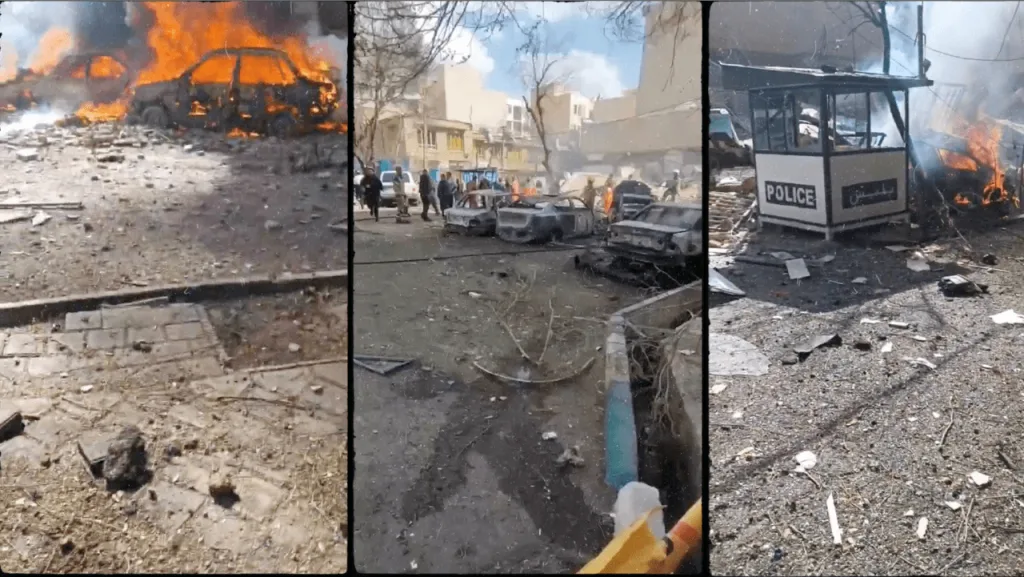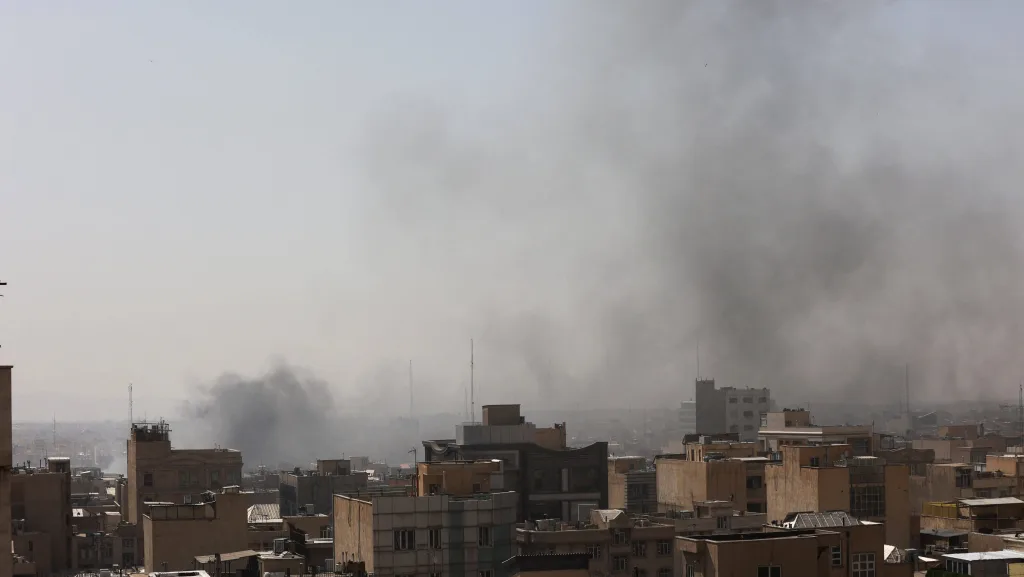




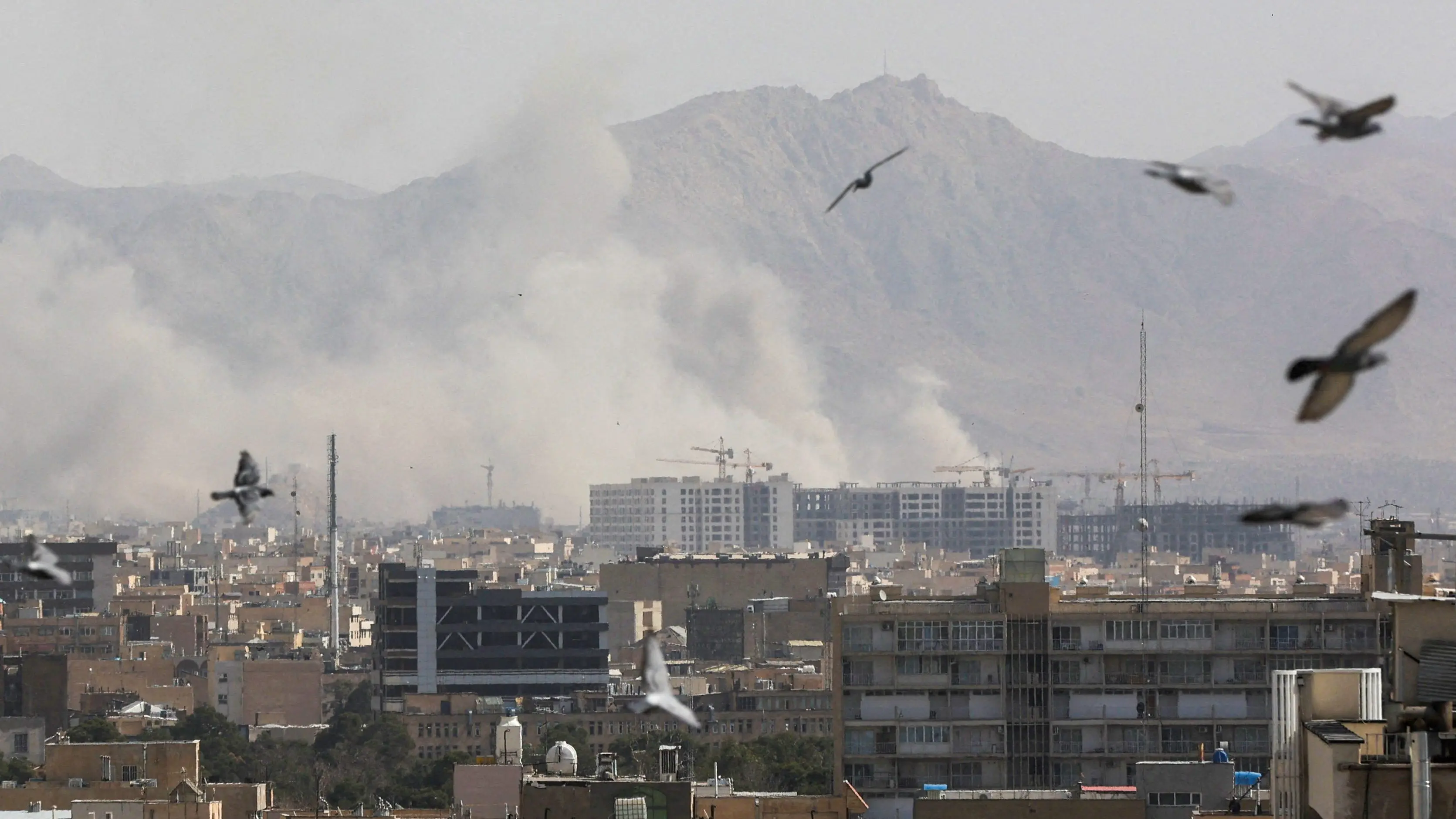
Smoke rises following an explosion, after Israel and the U.S. launched strikes on Iran, in Tehran, Iran, February 28, 2026. Majid Asgaripour/WANA (West Asia News Agency) via REUTERS ATTENTION EDITORS - THIS PICTURE WAS PROVIDED BY A THIRD PARTY TPX IMAGES OF THE DAY
11:30am – Marjorie Taylor Greene Reacts
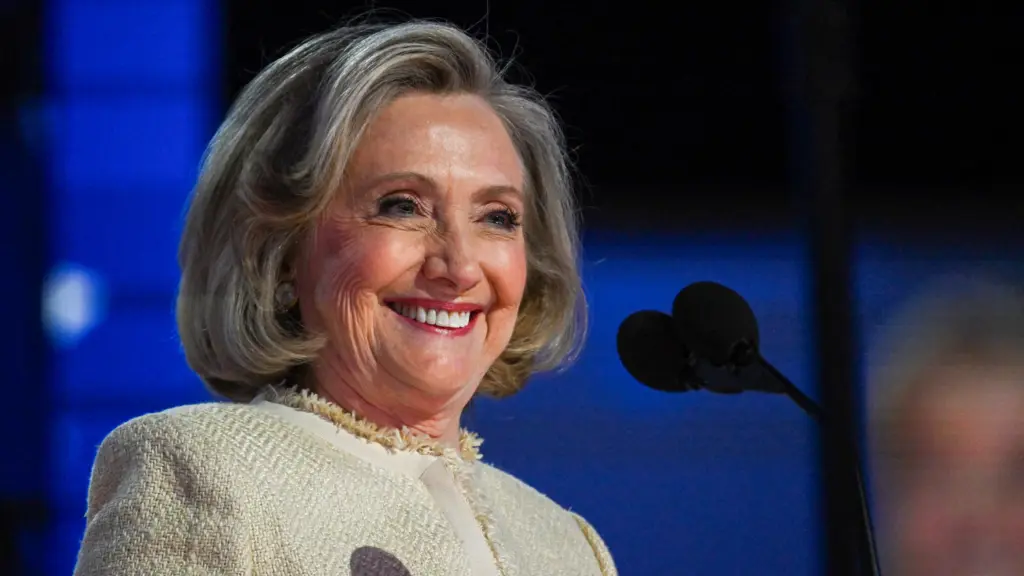
Rep. Marjorie Taylor Greene delivered a fiery rebuke amid escalating tensions overseas, accusing fellow lawmakers of betraying voters who supported an “America First” agenda. In pointed remarks, Greene argued that Americans voted for “zero wars,” blasting what she described as political hypocrisy in Washington as the U.S. becomes increasingly entangled in foreign conflicts. Her comments reflect growing divisions within Congress over military intervention and the direction of U.S. foreign policy.
I did not campaign for this.
I did not donate money for this.
I did not vote for this, in elections or Congress.
This is heartbreaking and tragic.
And how many more innocent will die?
What about our own military?
This is not what we thought MAGA was supposed to be.
Shame! https://t.co/qX6TKIUAMZ— Marjorie Taylor Greene 🇺🇸 (@mtgreenee) February 28, 2026
10:40am – Reports Say Iran is Striking Tourist Hot-Spots
Reports indicate that Palm Jumeirah in Dubai — one of the world’s most recognizable man-made landmarks — has been struck amid the escalating regional conflict. The artificial island, home to luxury hotels, residential towers, and thousands of residents, is considered a global tourism and business hub. If confirmed, the strike would mark a significant expansion of the conflict beyond traditional military targets, raising serious concerns about civilian safety, international economic fallout, and the potential for further regional escalation.
10:30am – Rep. Ilhan Omar Reacts
10:10am – NYPD Responds
New York City Police Commissioner Jessica Tisch announced that the NYPD will be enhancing patrols at sensitive locations throughout the city amid heightened global tensions and security concerns.
The NYPD is closely monitoring events in Iran and the Middle East and coordinating with our federal and international partners. As is our protocol and out of an abundance of caution, we will be enhancing patrols to sensitive locations throughout the city, including diplomatic,…
— NYPD NEWS (@NYPDnews) February 28, 2026
10:00am – China Steps In
China is calling for an immediate halt to military operations in Iran as tensions escalate following U.S. and Israeli strikes and Tehran’s retaliatory attacks. Chinese officials urged restraint and a return to diplomacy, warning that continued escalation risks destabilizing the broader Middle East and triggering severe economic and humanitarian consequences. The statement comes as global powers weigh in on the rapidly unfolding conflict, with Beijing positioning itself as a voice for de-escalation amid mounting international concern over the potential for a wider regional war.
(TEHRAN, IRAN) – Smoke billowed over Tehran early Saturday after the United States and Israel launched a large-scale military operation targeting sites across Iran, dramatically escalating tensions in the region.
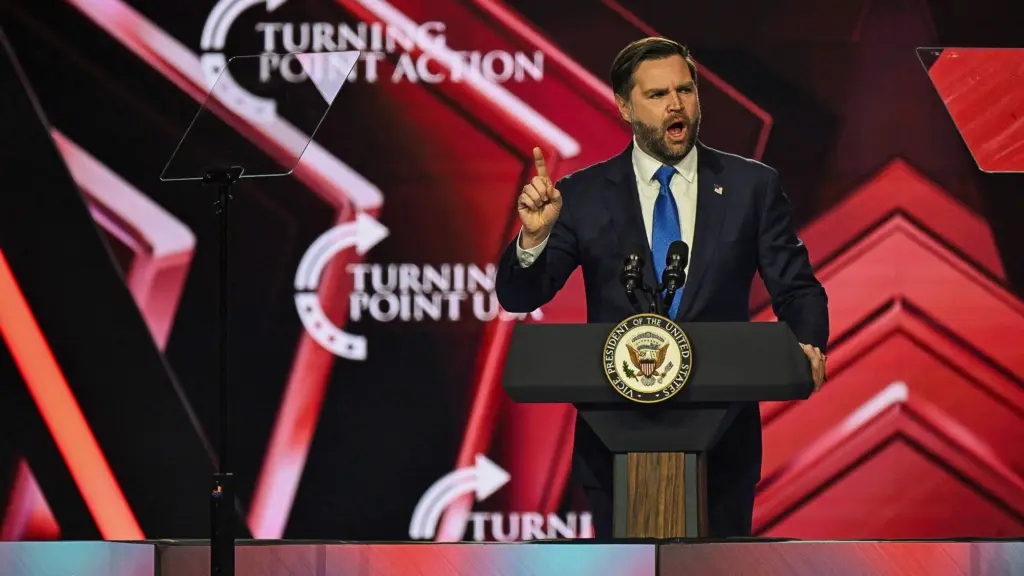
President Donald Trump initially urged Iranian civilians to take cover during the strikes before issuing a striking message directed at the Iranian people.
“When we are finished, take over your government. It will be yours to take,” Trump said in a video posted to social media — a statement widely interpreted as support for regime change.
Israeli Prime Minister Benjamin Netanyahu echoed that tone, saying the joint operation would “create the conditions for the brave Iranian people to take their fate into their own hands.”
Strikes Hit Tehran
The first reported explosions appeared to target areas near the compound of Iran’s 86-year-old Supreme Leader, Ayatollah Ali Khamenei, in downtown Tehran. It was not immediately clear whether Khamenei was present at the time.
Witnesses reported smoke rising over multiple sections of the capital as blasts were heard across the city.
U.S. and Israeli officials said the operation aimed to dismantle what they described as an “existential threat” posed by Iran’s nuclear and missile programs. Trump claimed Tehran continued advancing capabilities that could allow it to strike U.S. territory.
Iran Responds with Missile Strikes
Iran retaliated within hours, launching waves of missiles and drones toward Israel before expanding its response to include U.S. military installations in Bahrain, Kuwait and Qatar.
Bahrain confirmed that a missile attack targeted the U.S. Navy’s Fifth Fleet headquarters. Air defense systems were activated across the region.
Jordan’s military said it intercepted two ballistic missiles headed toward its territory, while authorities reported debris falling in Amman and other cities.
Airspace was closed in Iraq and the United Arab Emirates. Explosions were also reported in Qatar, and air defense fire was observed over Dubai.
Syrian state media reported that an Iranian missile struck a building in the southern city of Sweida, killing four people.
International Reaction
Russia condemned the strikes, calling them a “pre-planned and unprovoked act of armed aggression” against a sovereign state. Moscow accused Washington and Tel Aviv of using nuclear concerns as a pretext for regime change and warned of the risk of broader regional catastrophe.
Australia’s prime minister expressed support for U.S. efforts to prevent Iran from obtaining nuclear weapons, while also voicing solidarity with the Iranian people.
At the United Nations, Human Rights Chief Volker Türk criticized both the strikes and the retaliatory attacks, warning that civilians inevitably bear the brunt of armed conflict. He called for restraint and a return to negotiations.
British Prime Minister Keir Starmer convened an emergency government meeting, emphasizing that the United Kingdom was not involved in the military action and urging de-escalation to prevent a wider regional war.
Rising Regional Tensions
The assault follows weeks of heightened tensions, including the repositioning of U.S. naval forces in the region and stalled diplomatic efforts to curb Iran’s nuclear ambitions.
Israel has long considered Iran its primary security threat. Trump broadened his justification for the operation beyond nuclear concerns, referencing decades of hostility since the 1979 Islamic Revolution.
With missile exchanges ongoing, multiple airspaces shut down, and global powers weighing in, the Middle East now faces one of its most precarious moments in recent years.
This is a developing story and will be updated as more information becomes available.