




(New York, NY) – The back-to-back January and February snow storms that hit the New York City area have a lot of New Yorkers asking: What is this gonna cost us?
The answer is mostly a matter of the difference between the financial pain that eventually goes away and the hits that just keep coming and coming. These scenarios play out differently for the private sector than they do for the city government and the taxpayers.
Guess which feels the pain the most… and the longest.
The private sector took a hit from these storms to be sure. Restaurants closed. Broadway shows closed. Concerts and some minor sporting events were canceled, Amazon, DoorDash, & Uber, etc. traffic came to a halt. Putting it simply, any business that required its customers or employees to get from any point A to point B saw its incoming cash freeze faster than your house’s exterior pipes in 5 degree weather.
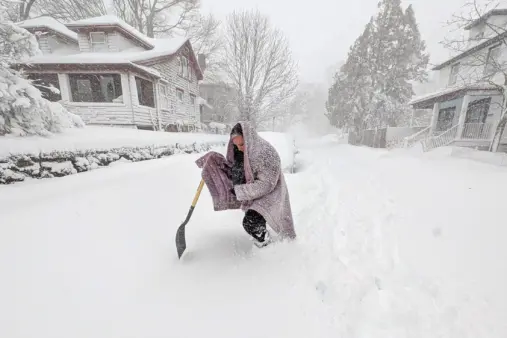
Speaking of those pipes, now let’s talk about the property and merchandise damaged or lost in the cold and snow. Well, maybe you don’t want to talk about it if you were unlucky enough to have a burst pipe, leaky ceiling, damaged car, or a personal injury due to a slip and fall on your own property (in that case you probably can’t sue anyone, sorry).
Now get ready for some painful numbers. According to weather forecasters and insurance experts at AccuWeather, the cost of just last weekend’s blizzard in the NY/NJ/CT area will end up between $34 billion and $38 billion dollars!
But don’t panic. The thing about snowstorm losses for the private sector is that they often provide a form of delayed relief eventually. Travelers will rebook their flights. People who missed those Broadway shows will eventually see the show or sell their raincheck tickets to others. Restaurants and bars tend to get very crowded in the days after the storms finally clear, thanks to New Yorkers suffering from cabin fever. A lot of this tends to even out in the end.
But for the public sector, and the taxpayers who back it, the long term reality is much worse. The economic damage lingers and often deteriorates over time.
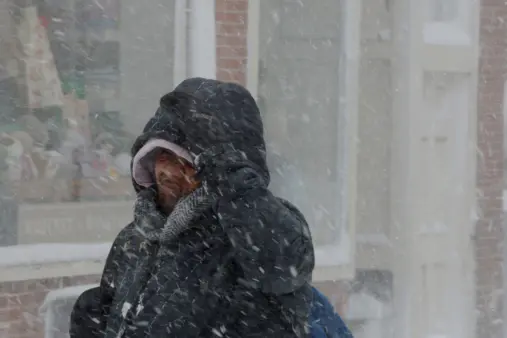
The most tangible example of this is simple, but not easy to overcome: potholes. The snow, ice, and harsh salts and solutions that cover the city’s roads usually leave a path of potholes larger than Godzilla’s footprints. And make no mistake, road maintenance is a monster cost for this and every city in America that’s so massive, no municipality can cover those costs without significant federal help, snow or no snow. Now throw in the added costs related to the heating and snow clearing in and outside of city businesses and the bills get bigger.
Unlike the private sector, this is not money the city will eventually get back. It’s the very definition of sunk costs. That is, once these storms hit, city budgets often get sunk into deeper debt.
It all comes as New York City is in the midst of a budget controversy, with the red ink somewhere between Mayor Zohran Mamdani’s initial $12 billion deficit estimate and an updated $5.4 billion number based on some new math and time parameters.
But none of those numbers included the pain from this most recent storm and the January snow and biting cold that lasted for days. Smarter city planner types have long advised New York’s leaders to invest in new road-making materials that will cost a lot more at the outset, but end up saving millions in the long run. Somehow there never seems to be enough money for that kind of longer term investment, especially when this mayor insists on prioritizing political programs like DEI commissions over practicality.
That brings us to the truly greatest cost of snow in the city: the political cost.
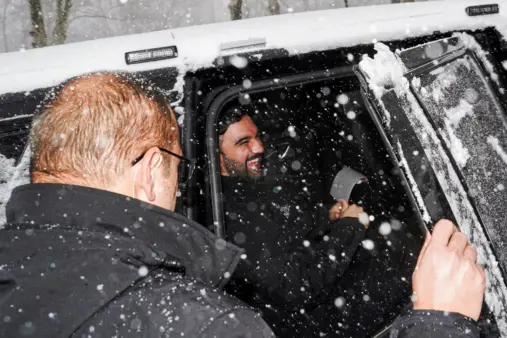
Responding to, and budgeting for “snow events” can and have been make or break tests for this and other major city’s mayors since the 1960s. With that in mind, voters seem to see the slow and ineffective snow clearing from the January storm to be entirely the Mamdani team’s fault. The financial effects of this second blizzard may be no one’s fault, but city voters will take it out on Mamdani if the potholes don’t get filled fast or he clings to non-essential spending programs while the bills pile up.
That’s the kind of political hole you can’t shovel out of.