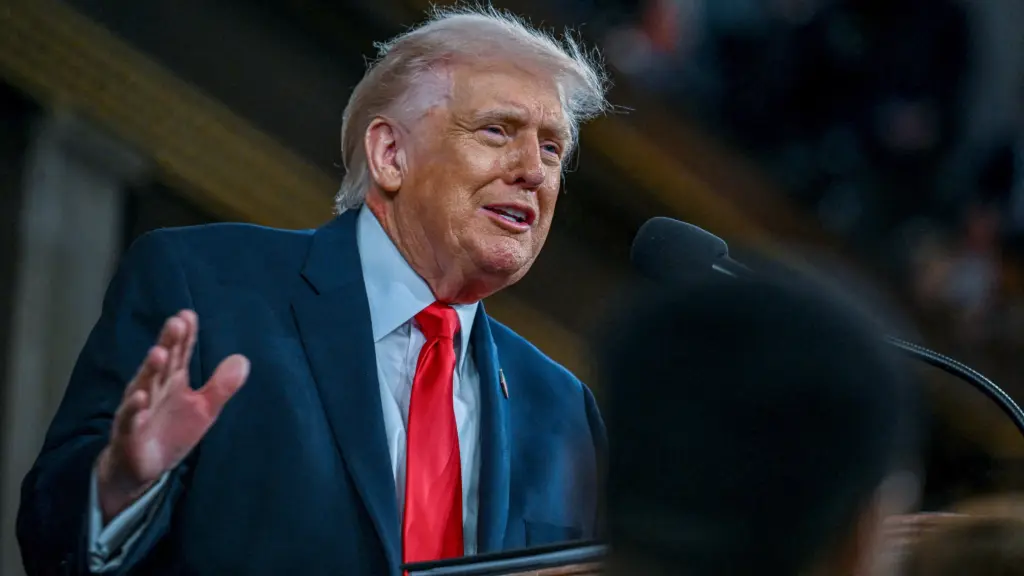







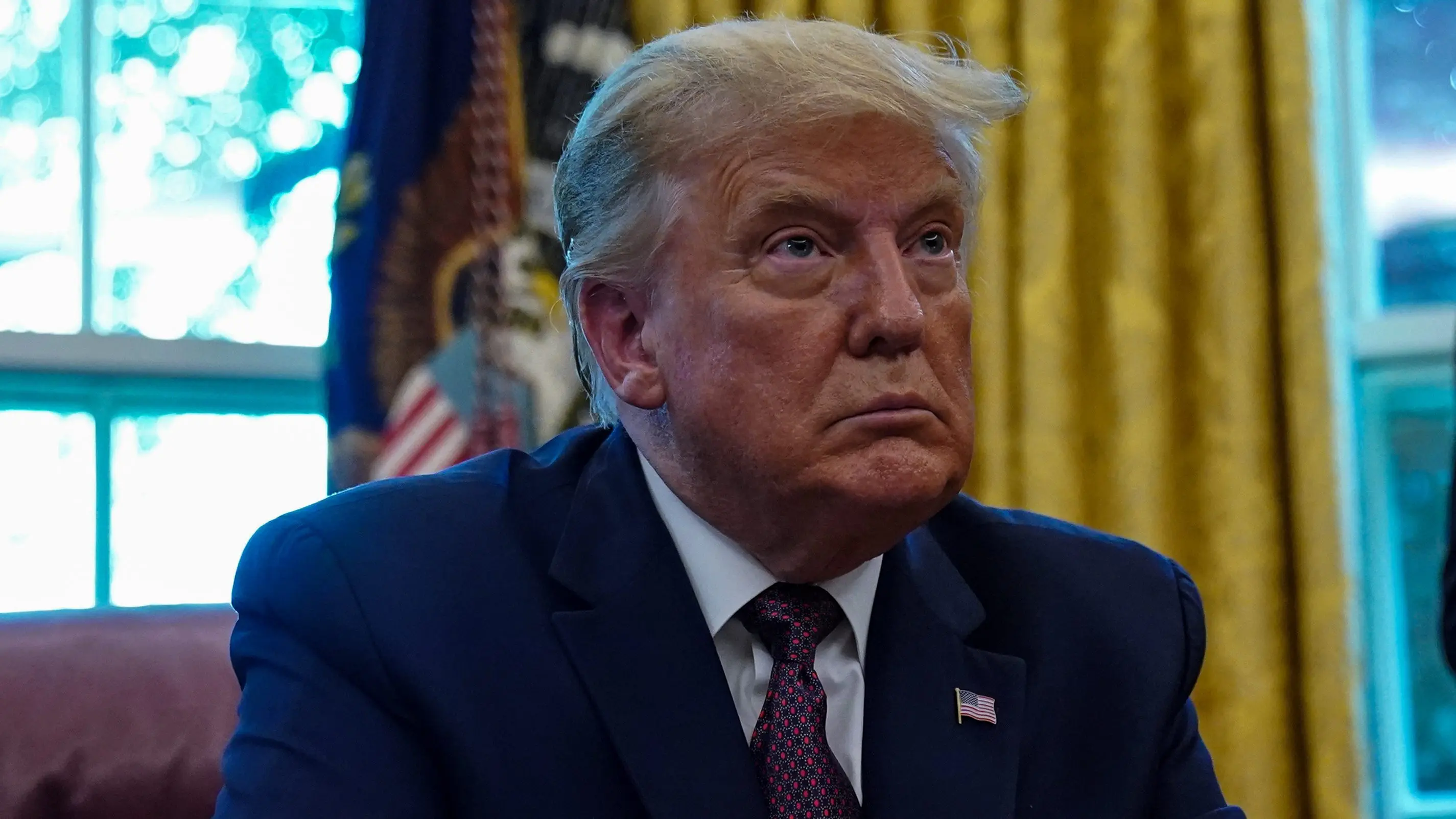
U.S. President Donald President Trump faces reporters after it was announced Bahrain has joined the United Arab Emirates in striking an agreement to normalize relations with Israel during a brief appearance in the Oval Office at the White House in Washington, U.S., September 11, 2020. REUTERS/Kevin Lamarque
(Iran) – Iran has reportedly rejected all major U.S. demands during the most recent round of nuclear negotiations, according to a report from The Wall Street Journal.
The latest talks, held indirectly through mediators, were aimed at curbing Tehran’s nuclear activities in exchange for potential sanctions relief. However, Iranian officials are said to have dismissed key American conditions, creating fresh uncertainty about the future of a possible agreement.
What the U.S. Wanted
According to the report, U.S. negotiators pushed for several major concessions, including:
-
The transfer of Iran’s enriched uranium stockpiles out of the country
-
A full halt to uranium enrichment
-
The dismantling or significant reduction of major nuclear facilities
-
Long-term or permanent limits on Iran’s nuclear program
Iran, however, reportedly refused to agree to those terms.
Tehran has long maintained that its nuclear program is for peaceful energy purposes and has repeatedly said it will not give up its right to enrich uranium.
Talks at a Standstill?
While officials have not formally declared the negotiations collapsed, the reported rejection of U.S. demands marks a serious setback.
Diplomatic efforts to revive or replace the 2015 nuclear agreement have faced repeated obstacles in recent years, with both sides accusing the other of making unreasonable demands.
The breakdown comes amid already heightened tensions in the region, with ongoing disputes over sanctions, regional security, and Iran’s expanding nuclear capabilities.
What Happens Next
It remains unclear whether additional rounds of talks will be scheduled or if negotiators will attempt to modify proposals to bridge the gap.
For now, the latest development suggests that significant differences remain between Washington and Tehran — and that a breakthrough is not imminent.