





Reuters
Cuba is facing a deepening oil shortage and economic crisis in 2026 after the United States intensified efforts to block fuel shipments to the island, cutting off a critical supply line and worsening existing economic strain.
Cuba relies heavily on imported oil — primarily from Venezuela and Mexico — to power its electrical grid, transportation systems and hospitals. After U.S. intervention in Venezuela led to the removal of President Nicolás Maduro, Venezuelan oil shipments to Cuba were halted, sharply reducing the island’s fuel supply.
U.S. Escalates Pressure
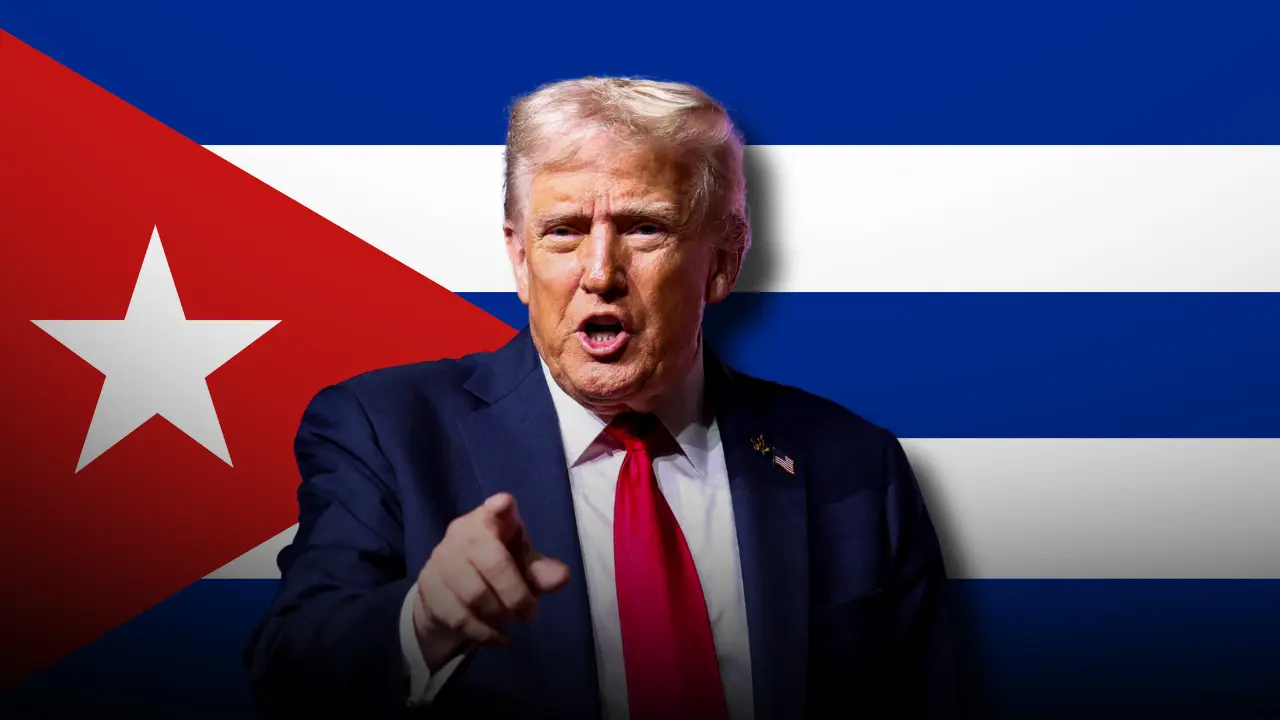
In late January, President Donald Trump signed Executive Order 14380, declaring a national emergency and authorizing tariffs on countries that directly or indirectly provide oil to Cuba. The move was part of a broader strategy to increase economic pressure on Havana.
U.S. authorities have also targeted oil tankers bound for Cuba and warned foreign companies, including Mexico’s state-owned Pemex, of potential economic penalties if they continue supplying fuel.
Trump has publicly urged Cuba’s government to “make a deal before it’s too late,” signaling that regime change remains a policy objective.
Worsening Conditions on the Island
The fuel blockade has triggered significant disruptions across Cuba:
-
Rolling blackouts have intensified, with entire provinces experiencing power outages.
-
Food production has slowed as farmers lack diesel for harvesting and transport.
-
Hospitals and water systems have struggled to maintain operations.
-
Public transportation has been scaled back, limiting mobility for workers and students.
-
Garbage collection has stalled in cities including Havana due to fuel shortages.
The United Nations Human Rights Office has warned that the crisis threatens Cuba’s food security and access to essential services. The UN World Food Programme has also reported logistical challenges delivering aid following Hurricane Melissa due to fuel scarcity.
Longstanding Tensions
The United States has maintained an embargo on Cuba since 1962, though its severity has fluctuated over the decades. Relations briefly improved under President Barack Obama before tightening again during the Trump administration’s renewed “maximum pressure” campaign beginning in 2025.
Cuba had already been grappling with economic instability and grid failures, which contributed to widespread protests in 2024 and persistent nationwide blackouts.
Regional Implications
The current crisis is being described by some analysts as the most severe confrontation between the United States and Cuba since the Cold War era. International observers warn that prolonged shortages could further destabilize the island and increase migration pressures in the region.
Investigations and diplomatic maneuvering continue as both governments hold firm, with no immediate resolution in sight.