






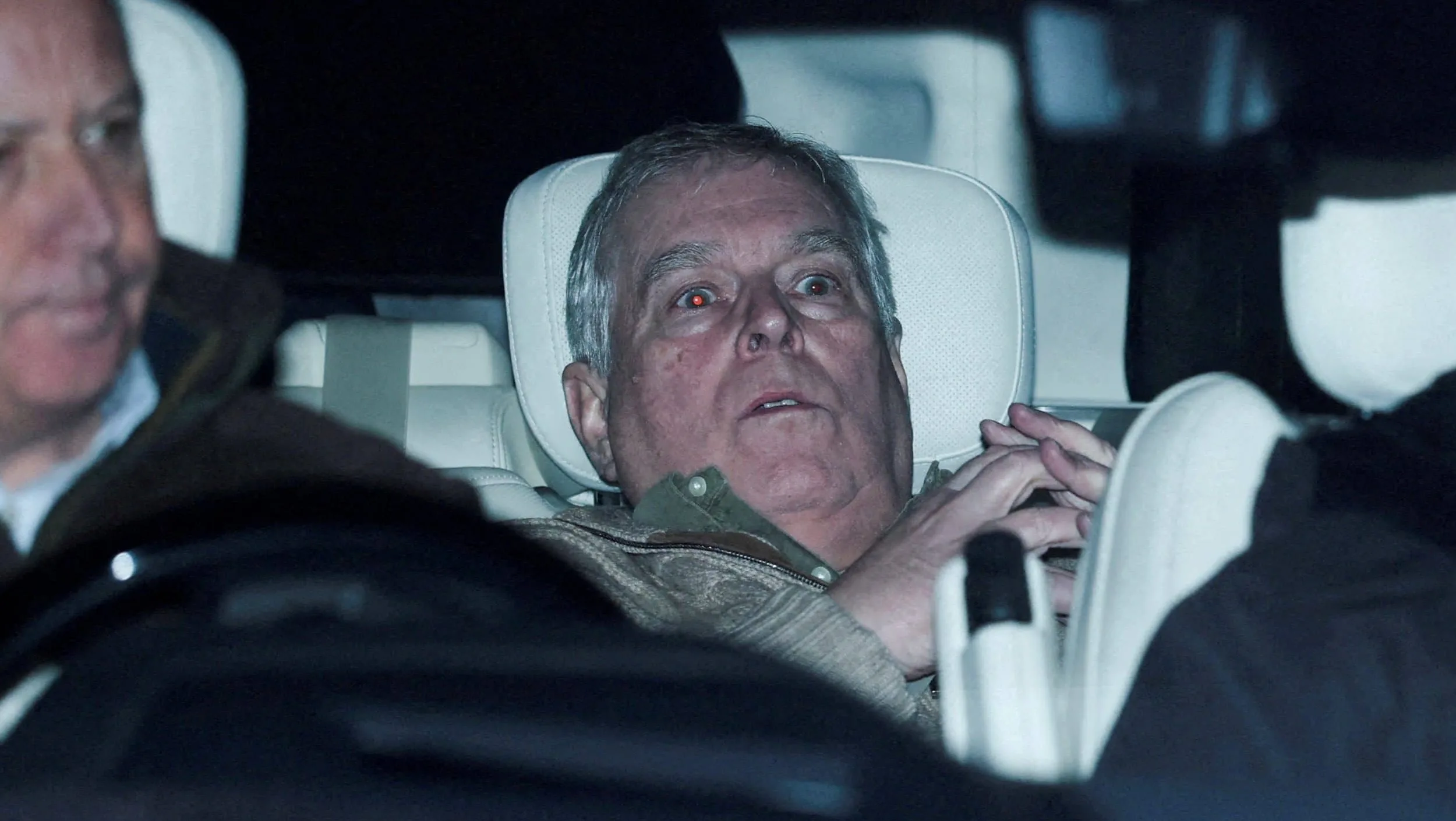
Andrew Mountbatten Windsor, younger brother of Britain’s King Charles, formerly known as Prince Andrew, leaves Aylsham Police Station on a vehicle, on the day he was arrested on suspicion of misconduct in public office, after the U.S. Justice Department released more records tied to the late financier and convicted sex offender Jeffrey Epstein, in Aylsham, Britain, February 19, 2026. REUTERS/Phil Noble/File Photo
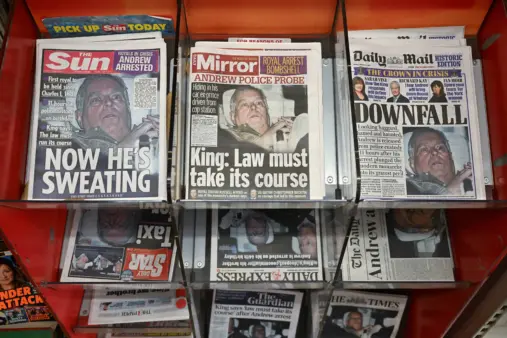
(London, UK) – As the Jeffrey Epstein conspiracy theories and released documents continue to swirl around on the internet, so do questions about the English Monarchy following the arrest of Andrew Mountbatten-Windsor. While this arrest is not related to any allegations of sex trafficking, it is directly tied to Epstein. The arrest is historic as it breaks a nearly 400-year streak of zero criminal charges for the Royal family.
Jail Time for Andrew’s Birthday
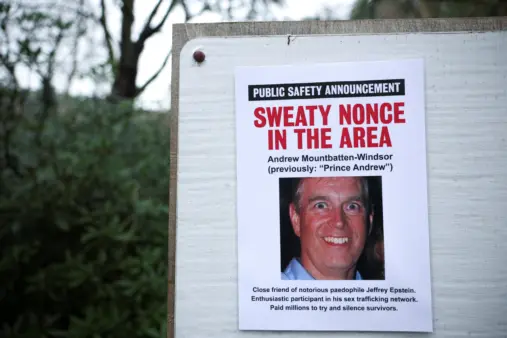
Instead of blowing out any candles, Andrew was getting cuffed and booked on his 66th birthday night. He was arrested for betraying the UK and sharing confidential government information with Epstein. Several email exchanges released by the DOJ show Andrew sharing confidential briefs with Epstein as Andrew was working as a special envoy in trade for England. Cops also searched several residences associated with Andrew and released him after an 11 hour hold. Right now, there are no conditions for his release as cops continue their investigation. Additional charges directly tied to sex trafficking may come down the line, as British police are looking into any evidence of victims possibly trafficked through their airports. Andrew continues to vehemently deny any wrongdoing.
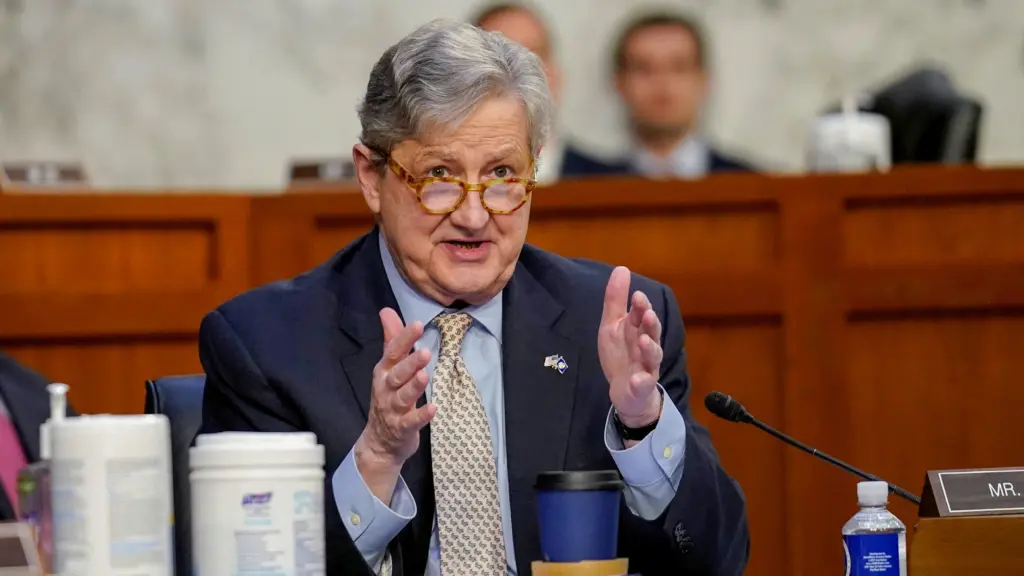
British historian, Andrew Lownie, was on 77WABC with Cindy Adams back in November, where he previewed some of the alleged crimes Andrew may have committed:
Debate on Monarchy Reignited
Anytime there is a royal scandal, the debate around the monarchy’s existence in the United Kingdom is sparked once again. The last time there was an arrest within the royal family, the monarchy was completely stripped of its governing power. In 1647 King Charles I was accused of treason and executed, sending shockwaves throughout the United Kingdom. As a consequence, England became a republic under Oliver Cromwell. Since then, the monarchy has only had symbolic power as heads of state with no real pull.
A survey by Statista found that there is still significant support for the monarchy, however that tends to dwindle with each generation. For those 65 and up, 80% support the monarchy versus only 49% of 18-24 year olds. The voices within the British government that oppose the monarchy are also in the minority. There are several Labour, or left-leaning Members of Parliament who advocate for an elected head of state to replace the monarchy, however any sweeping actions towards that end goal are unlikely to rally support among the majority of the body.
Royal Standing Shaken Further
If the monarchy does survive this scandal, the limited claim Andrew Mountbatten-Windsor has to the throne may be further culled. He was already forced to move out from his home and stripped of his royal titles. At the time of his arrest, Andrew was living at a private home on the King’s Sandringham Estate. The British government is reportedly considering removing Andrew from the line of succession. Even though he was stripped of his royal titles, Andrew is still technically 8th in line to become King. He was originally 2nd in line when he was born after Charles, however he continues to go down in the ranks as Charles’ family – including Prince William and Prince Harry – continues to grow.