





Reuters
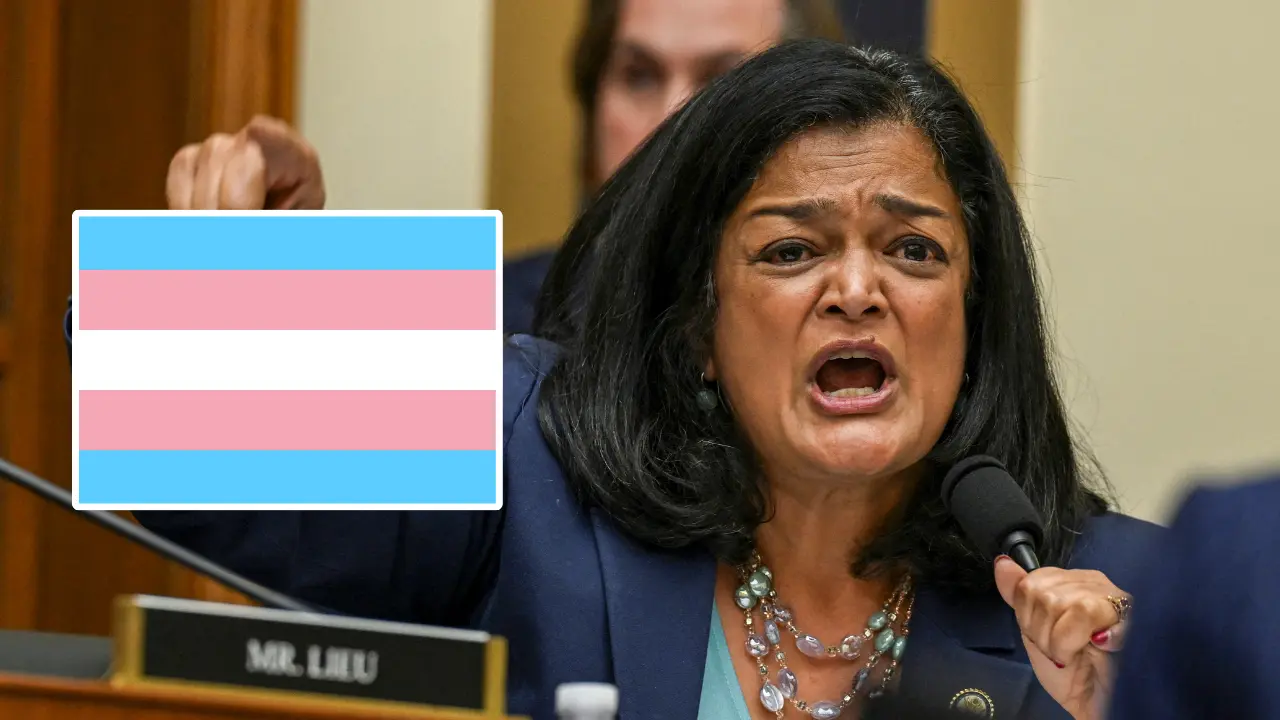
(Washington, DC) – Rep. Pramila Jayapal’s proposed “Trans Bill of Rights” is drawing sharp political reactions — but beyond the culture war rhetoric, a key question remains: would the legislation carry a cost for taxpayers?
While the full fiscal impact has not yet been formally scored by the Congressional Budget Office, the proposal could involve federal spending in several areas. Expanding anti-discrimination enforcement, increasing oversight through federal agencies, and potentially conditioning federal funding on compliance with new gender identity protections could require additional administrative resources.
Healthcare provisions could also carry financial implications. If the bill strengthens protections for gender-affirming care under federal programs such as Medicaid, Medicare, or Affordable Care Act exchanges, taxpayers could see increased federal expenditures tied to coverage mandates, litigation defense, and regulatory implementation. Supporters argue these costs would be marginal relative to overall healthcare spending, while critics contend federal mandates could drive broader compliance expenses for states and private institutions.
The proposal’s intersection with abortion policy may also have budgetary implications, particularly if federal protections expand access nationwide. Depending on how the legislation is structured, it could affect federal funding streams, reimbursement policies, or legal challenges that carry administrative costs.
On the other hand, advocates of the bill argue that stronger anti-discrimination protections could reduce long-term costs associated with mental health crises, homelessness, and unemployment among transgender Americans. They contend that preventative healthcare access and legal clarity may ultimately save money by reducing emergency interventions and litigation.
Until a formal budget analysis is released, the true taxpayer impact remains uncertain. What is clear is that the legislation would not simply be symbolic — if enacted, it would require federal agencies, healthcare systems, and possibly states to adjust policies, regulations, and funding structures.
As debate intensifies, fiscal impact is likely to become just as central to the conversation as the cultural and political implications of the bill itself.