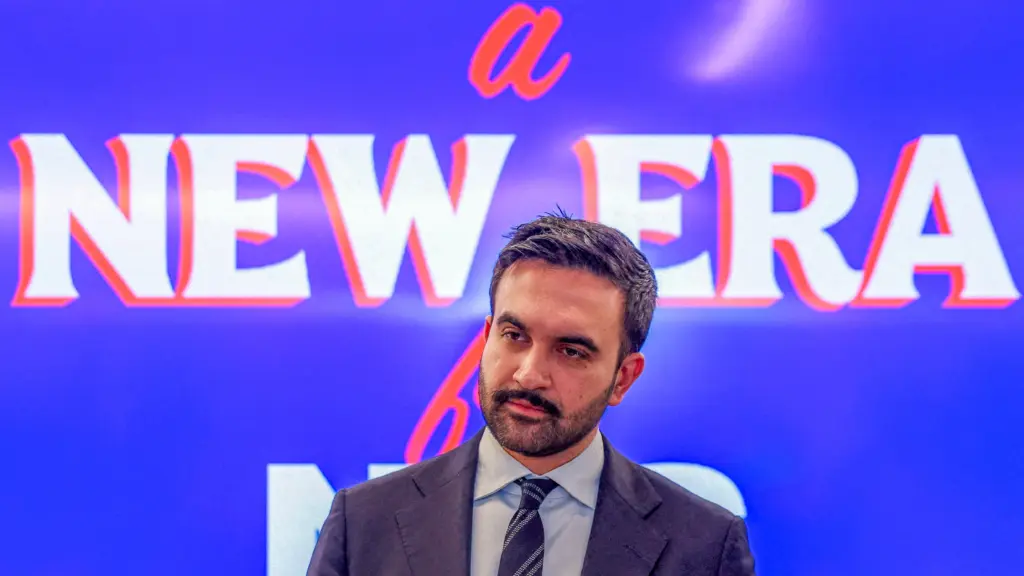




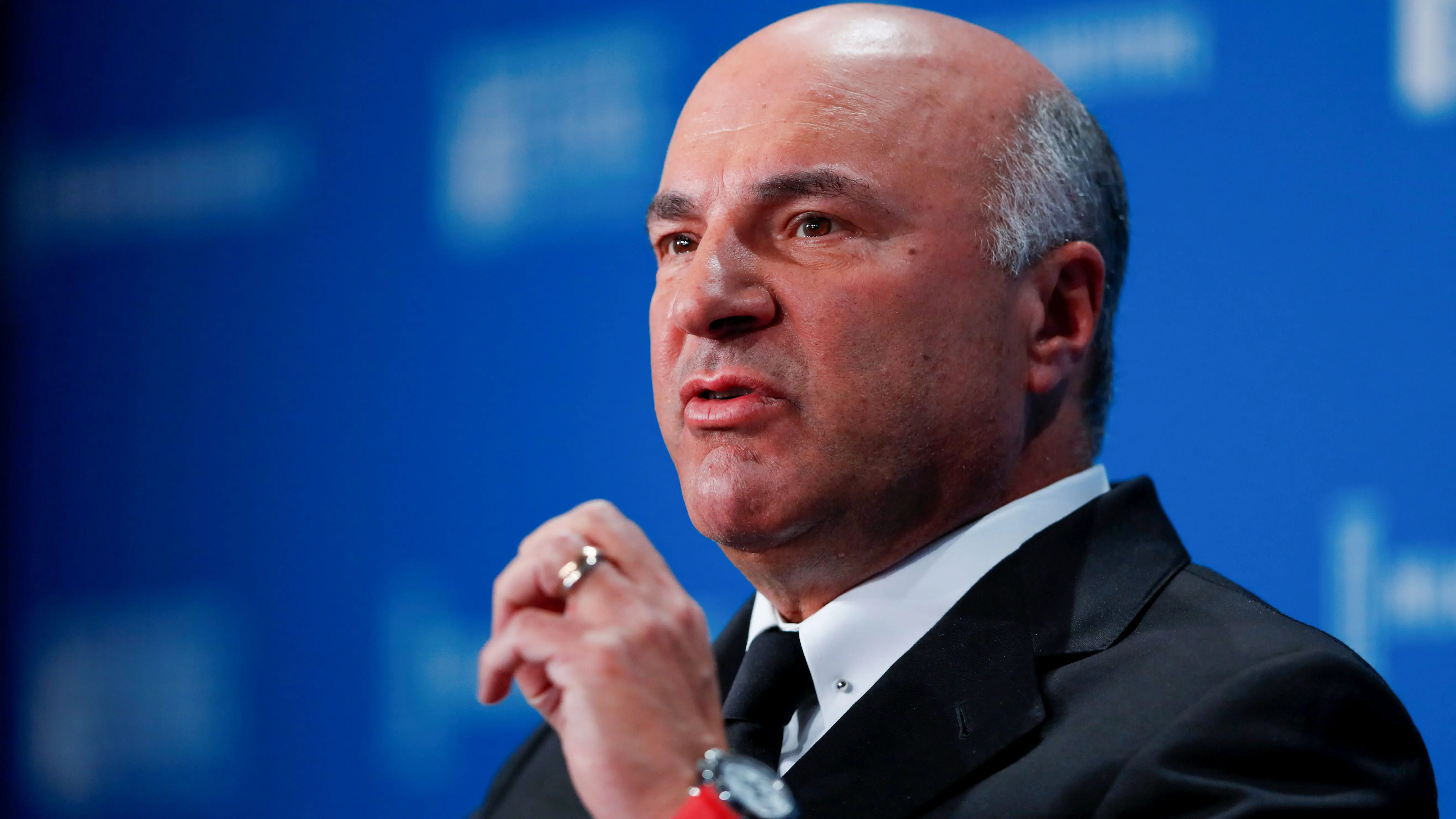
Kevin O'Leary Chairman, O'Shares ETFs; Television Personality, "Shark Tank" speaks during the Milken Institute's 22nd annual Global Conference in Beverly Hills, California, U.S., April 30, 2019. REUTERS/Mike Blake
(Washington, DC) – Investor and television personality Kevin O’Leary is weighing in on the national debate over voter eligibility, arguing that the United States is behind other nations when it comes to safeguarding elections.
In a statement circulating online, O’Leary said, “You must be a citizen to vote, every country has figured this out… pass the act,” calling for stricter verification measures to ensure only eligible citizens cast ballots.
Comparing the U.S. to Other Countries
O’Leary suggested that many other nations have long implemented systems requiring proof of citizenship or voter identification, framing the issue as common-sense election security rather than partisan politics.
Supporters of voter ID laws argue that verifying eligibility protects election integrity and boosts public confidence in outcomes. They contend that requiring documentation is standard practice in many parts of the world and should be applied consistently in U.S. federal elections.
The Debate Over Proof of Eligibility
Critics, however, maintain that voter fraud in the United States is statistically rare and warn that stricter ID or citizenship documentation requirements could disproportionately affect certain communities. Civil rights groups argue that additional hurdles may discourage lawful voters from participating.
The issue has become a flashpoint in Congress, with lawmakers debating proposals aimed at tightening federal voting requirements.
A Renewed Push
O’Leary’s remarks come amid ongoing discussions in Washington about election reform legislation. Proposals under consideration would require individuals to demonstrate proof of U.S. citizenship when registering to vote in federal elections.
The debate over how to balance election security with voter access is expected to remain front and center as lawmakers consider potential changes ahead of future election cycles.