


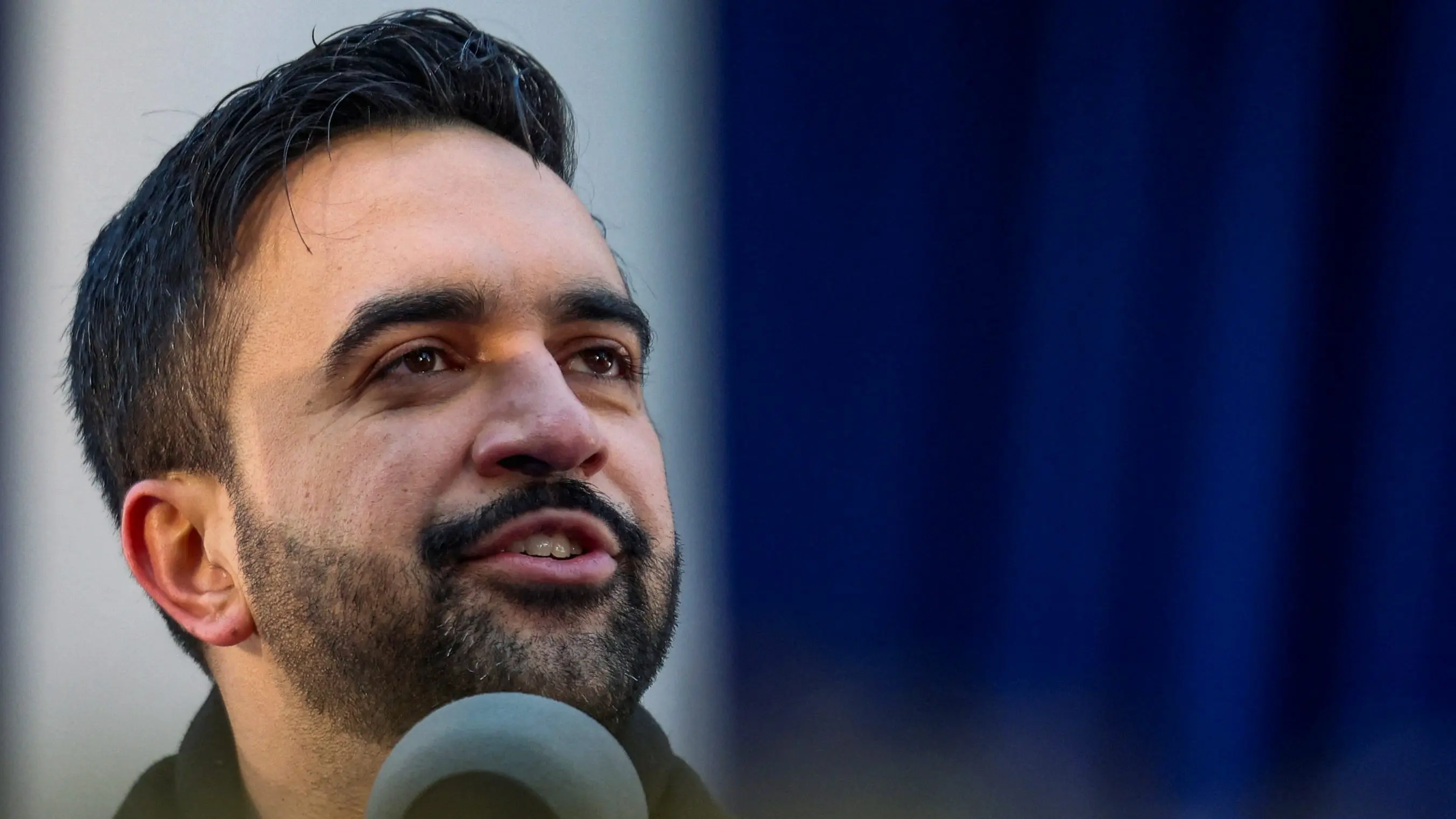
New York City Mayor Zohran Mamdani delivers a speech during his inauguration ceremony in New York City, U.S., January 1, 2026. REUTERS/Kylie Cooper
(New York, New York) – As temperatures plunged into the single digits this winter, tens of thousands of New York City residents say they were left without heat or hot water — fueling outrage and renewed criticism of Mayor Zohran Mamdani’s handling of the city’s housing crisis.
City records show January brought an unprecedented surge in heat-related complaints, with roughly 80,000 calls to 311 reporting apartments without adequate heat or hot water. The spike coincided with one of the coldest stretches of the season, when overnight temperatures dropped as low as 4 degrees, leaving many tenants struggling to stay warm indoors.
Across Brooklyn, Queens, and the Bronx, residents described unlivable conditions as heating systems failed for days at a time. Some tenants reported heat shutting off overnight during the coldest hours, while others said they went weeks without consistent hot water.
In private buildings, tenants said unresponsive management forced them to rely on space heaters, boiling water, or temporary stays with friends or in hotels. Public housing residents reported similar failures, with some apartments lacking steady heat for most of January.
The surge in complaints has intensified scrutiny of City Hall, as critics argue enforcement has failed to protect tenants during extreme cold. While city law requires landlords to maintain minimum indoor temperatures, residents say weak overnight enforcement allows violations to persist.
The crisis has also renewed focus on aging infrastructure in the city’s public housing system, where long-standing maintenance issues continue to trigger breakdowns during cold snaps.
City officials say crews are responding to outages and investing in heating upgrades, but many residents argue those efforts have not provided immediate relief. Housing advocates warn that without stronger enforcement and faster emergency response, more New Yorkers could be left exposed to dangerous cold inside their own homes.