

REUTERS/Eduardo Munoz
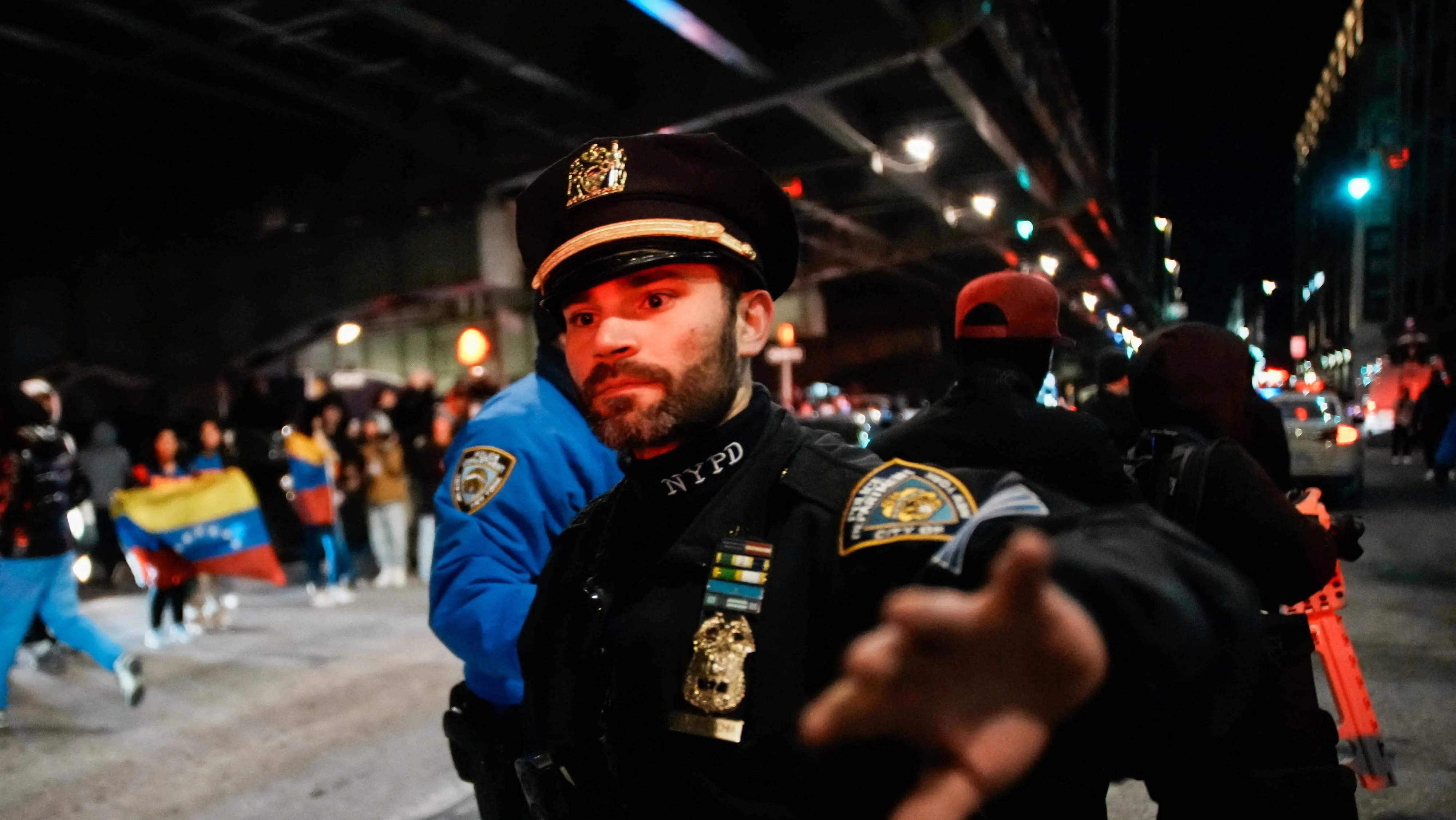
(New York, NY) — Last week NYPD officers were dispatched to a Briarwood, Queens home after family members called 911 to say their son was in emotional distress and needed help right away. When the officers arrived at the home around 10:30 on that Monday morning they were let in, and within moments found themselves facing off against 22-year-old Jabez Chakraborty ,who was holding a large kitchen knife and walking towards them. In police body cam video released by the NYPD you can hear officers repeatedly tell Chakraborty to drop the knife. He doesn’t. Seconds later one officer fired multiple shots at Chakraborty as family members screamed. The 22-year-old was rushed to the hospital where he is on a ventilator. His parents say when they called 911 they asked for an ambulance, not police because they feared about how their son would react to cops in their home.
The Mayor visited Chakraborty in the hospital, and then reiterated a promise he made on the campaign trail to change the city’s mental health crisis response, taking it away from police and handing it over to city social workers that he believes are better equipped to handle them.
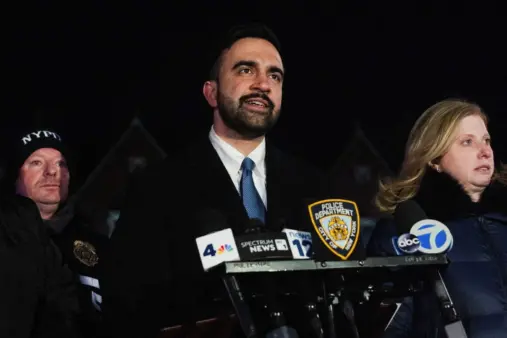
There has been a national conversation going on about public safety, mental health care, and whether traditional police responses are the best tools for those emergencies.
Mayor Mamdani’s argues that police are often not the best responders to emotional crises. The NYPD now handles about 200,000 such calls a year. The mayor says the officers can sometimes escalate those situations. So he wants to create civilian-led Department of Community Safety. A civilian public-health agency designed to respond to many types of 911 calls, including mental health crises. This department would dispatch teams of mental health professionals, clinicians, peer counselors, and trained outreach workers instead of or alongside police for non-violent crises. The Mayor says police would still respond when there is clear danger. So can it work?
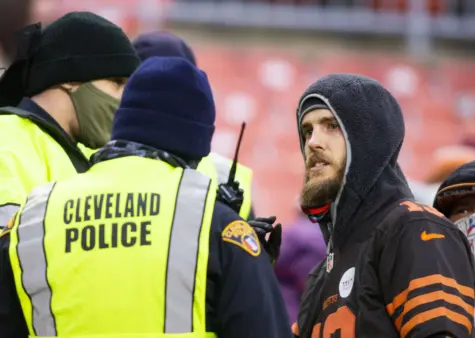
At least 14 of the 20 largest U.S. cities now have or are rolling out civilian crisis response teams that are staffed by clinicians, EMTs, social workers, and behavior specialists for certain nonviolent mental health calls. In Minneapolis, Minnesota the city launched unarmed mental health professionals to respond to 911 behavioral health calls where police presence may not be needed. Teams are equipped to help people in crisis without guns or uniforms on. Call responses by the teams have resulted in no injuries and calm resolutions, which city leaders believe is building community trust. In Cleveland, Ohio they are piloting a mental health crisis line where licensed clinicians will help take calls and respond to mental emergencies when safe and appropriate. And in Denver, Colorado teams that consist of a paramedic and a mental health provider are responding to low-risk behavioral health and medical calls — instead of police.
But critics say those successes have taken place in much smaller cities than New York. A pilot program rolled out in New York called B-HEARD was designed to send EMTs and mental health workers to certain crisis calls. An audit found that many calls weren’t answered. That raised big questions about whether the city had enough mental health workers to answer all the calls coming in. Some law-enforcement experts argue that social workers do not have the proper training to understand when a crisis is about to turn violent, and then don’t have the ability to protect themselves or the individual having the mental breakdown. The cost of the programs can be exorbitant too, and the city, which Mayor Mamdani claims is in a financial crisis may not have the funds to cover them.
City Hall says it ready to create it’s new civilian-focused mental health response teams, but will need time to hire and train staffers. There is no firm date to when the program may begin.