




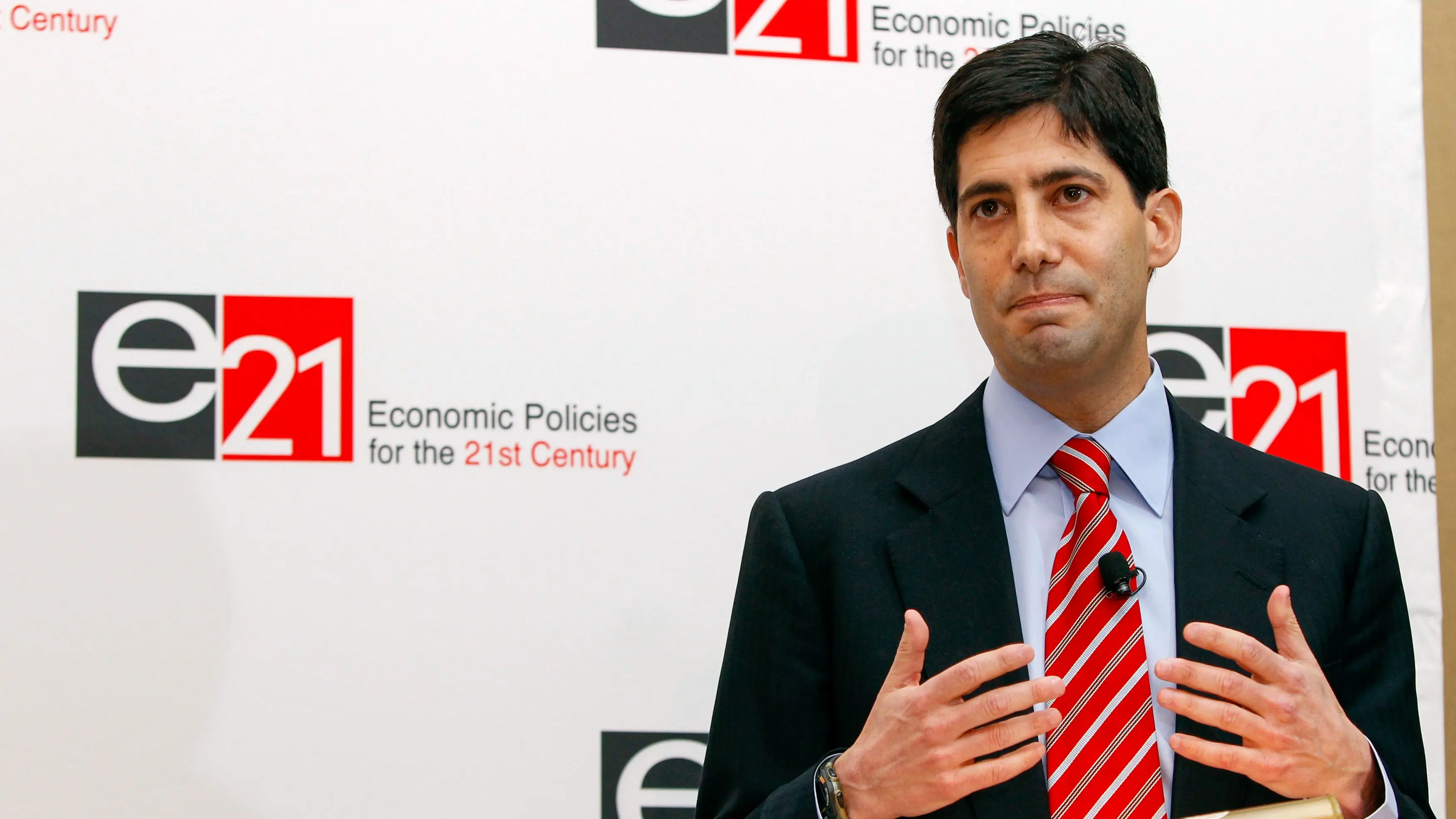
Federal Reserve Governor, Kevin Warsh, addresses the Shadow Open Market Committee during a symposium in New York March 26, 2010. REUTERS/Lucas Jackson (UNITED STATES - Tags: BUSINESS POLITICS)
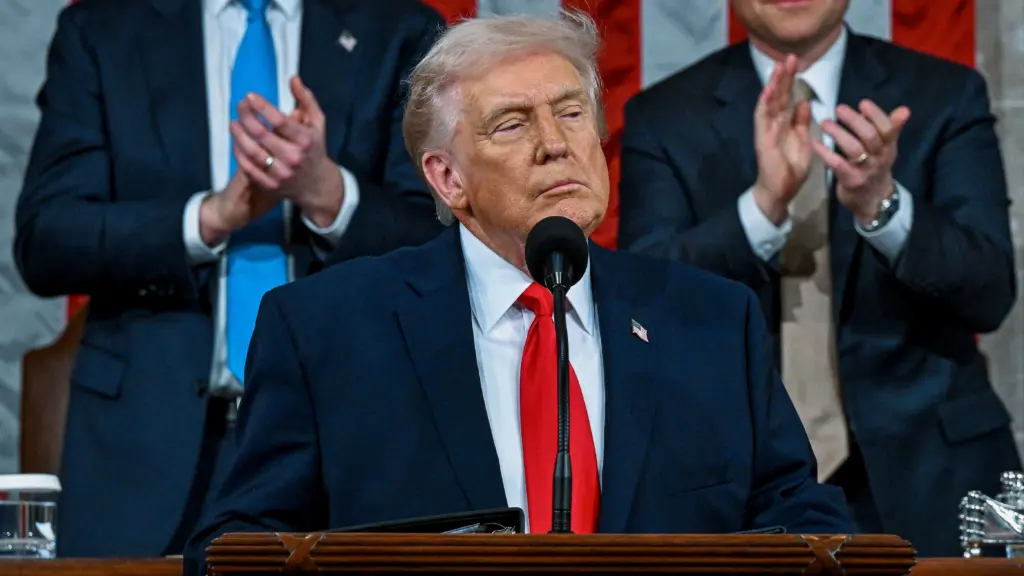
(Washington, DC) – President Donald Trump announced Friday that he is nominating Kevin Warsh to serve as the next chair of the Federal Reserve, replacing Jerome Powell when Powell’s term ends in May.
In a post on Truth Social, Trump praised Warsh as a long-time ally and said he expects him to become “one of the GREAT Fed Chairmen.” Trump added that Warsh would “never let you down,” signaling confidence in his leadership as the administration continues pushing to lower interest rates and reduce inflation.
Warsh, 55, previously served on the Federal Reserve’s Board of Governors from 2006 to 2011, making him the youngest Fed governor in modern history when he was appointed at age 35. During that time, he played a key role in managing the 2008 financial crisis, working alongside then-Fed Chair Ben Bernanke and other senior policymakers.
While Warsh was long known as an inflation hawk, he has more recently voiced support for lower interest rates, aligning more closely with Trump’s economic priorities. Analysts say that shift likely helped secure his nomination, though some remain skeptical about how independent his leadership would be if confirmed.
The nomination comes after months of speculation and a wide-ranging search process that considered several high-profile candidates. Trump ultimately opted for Warsh, a familiar figure in both financial markets and Republican economic circles.
Warsh’s confirmation is not guaranteed. His nomination will go before the Senate Banking Committee, where lawmakers are expected to closely scrutinize his views on interest rates, Federal Reserve independence, and his relationship with the White House — especially amid ongoing tensions between the administration and the central bank.
If confirmed, Warsh would take the helm of the Fed at a critical moment, as inflation concerns, interest rate policy, and political pressure collide at the nation’s most powerful financial institution.