






ROLLS ROYCE @Reuters
BENTLEY LIMOSINES ADORN MAYFAIR SHOWROOM
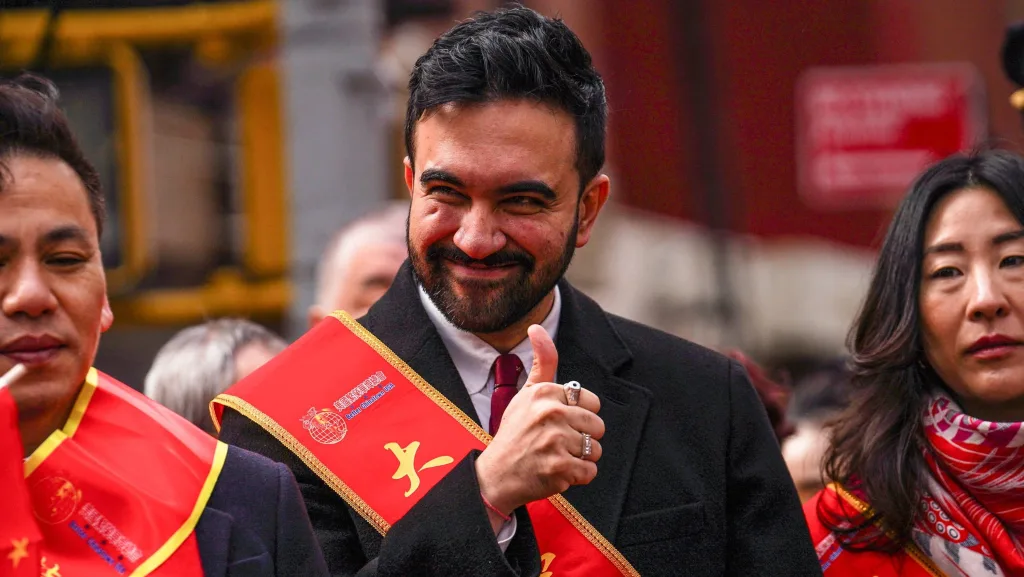
(New York, NY) — Mayor Mamdani announced this week he will push to levy a new tax on the city’s wealthiest to help fix a gaping 12 billion-dollar budget hole, that he says was left behind by former Mayor Eric Adams and former Governor Andrew Cuomo. The mayor says New York City is dealing with a fiscal crisis bigger than the great recession. So, Mamdani says he will renew his call to raise taxes on the wealthy and New York’s biggest corporations. But, will it work?
Targeted taxes on the wealthiest in Massachusetts have successfully raised billions of dollars for education and infrastructure in the bay state. The “Fair Share Amendment,” a 4% surtax on annual income over $1 million, has been highly successful. As of late 2025, it has generated $5.7 billion in revenue, exceeding initial expectations by $3 billion. Some lawmakers there were fearful that the wealthy would flee, but the state actually saw a 39% increase in millionaires between 2022 and 2024.
In Los Angeles, there is a so called mansion fee that lays down a 4% tax on property sales over $5.1 million and 5.5% on sales over $10.3 million. Supporters say it is successfully raising big money that is going to build affordable housing. So far, the city maintains that they have not seen the richest residents flee.
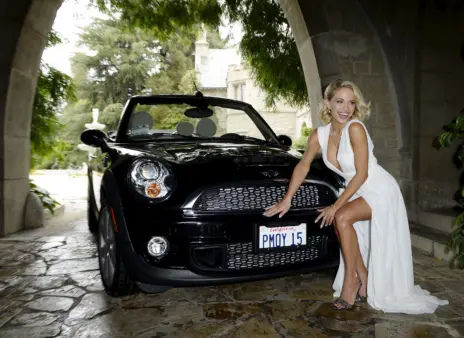
Its a different story in Philadelphia, where local lawmakers say they have all but exhausted their “revenue capacity from it’s wealthiest residents, and many believe any more tax hikes will drive the highest earners out of the city and into the local suburbs.
Experts seem to agree that taxing the rich can provide a significant revenue boost for targeted underfunded programs, but those same experts generally agree it does not work for fixing large budget deficits. Critics will point to European nations, where taxing the rich has failed big time.
In France, there was a wealth tax in place from 1982 to 2017. An estimated 60,000 millionaires left between 2000 and 2017, reportedly costing the French a significant amount in lost tax revenue. The tax was ultimately abolished by President Emmanuel Macron in 2018. Sweden repealed its wealth tax in 2007 because it was driving business people, such as the founder of IKEA out of the country. In the United Kingdom, many millionaires left when lawmakers decided to tax the money they were making outside England.

So, yes part of the reason Mayor Mamdani won the race for mayor was his pledge to make the city’s wealthiest pay their fair share, but it will not be easy to get his plan enacted. He needs approval from the Governor to raise taxes. Kathy Hochul, who is running for reelection this year has already pledged there is no way she is hiking taxes for anyone. If she wins come November, will she give into Mamdani’s demands? Only time will tell.