(New York, NY) – As talks about a possible health care package to address concerns about the high cost of Affordable Care Act (ACA) health care plans continue in Washington, DC, it has emerged that several big New York hospitals previously dinged for questionable financial practices may have eked out a key victory to the detriment of reformers seeking to reduce the cost of health care.
Beltway media giant Axios recently reported that the health care package currently being negotiated in Congress falls well short of fully embracing site-neutral reforms, a policy change that would block hospital systems from billing full hospital fees for services provided outside a hospital setting.
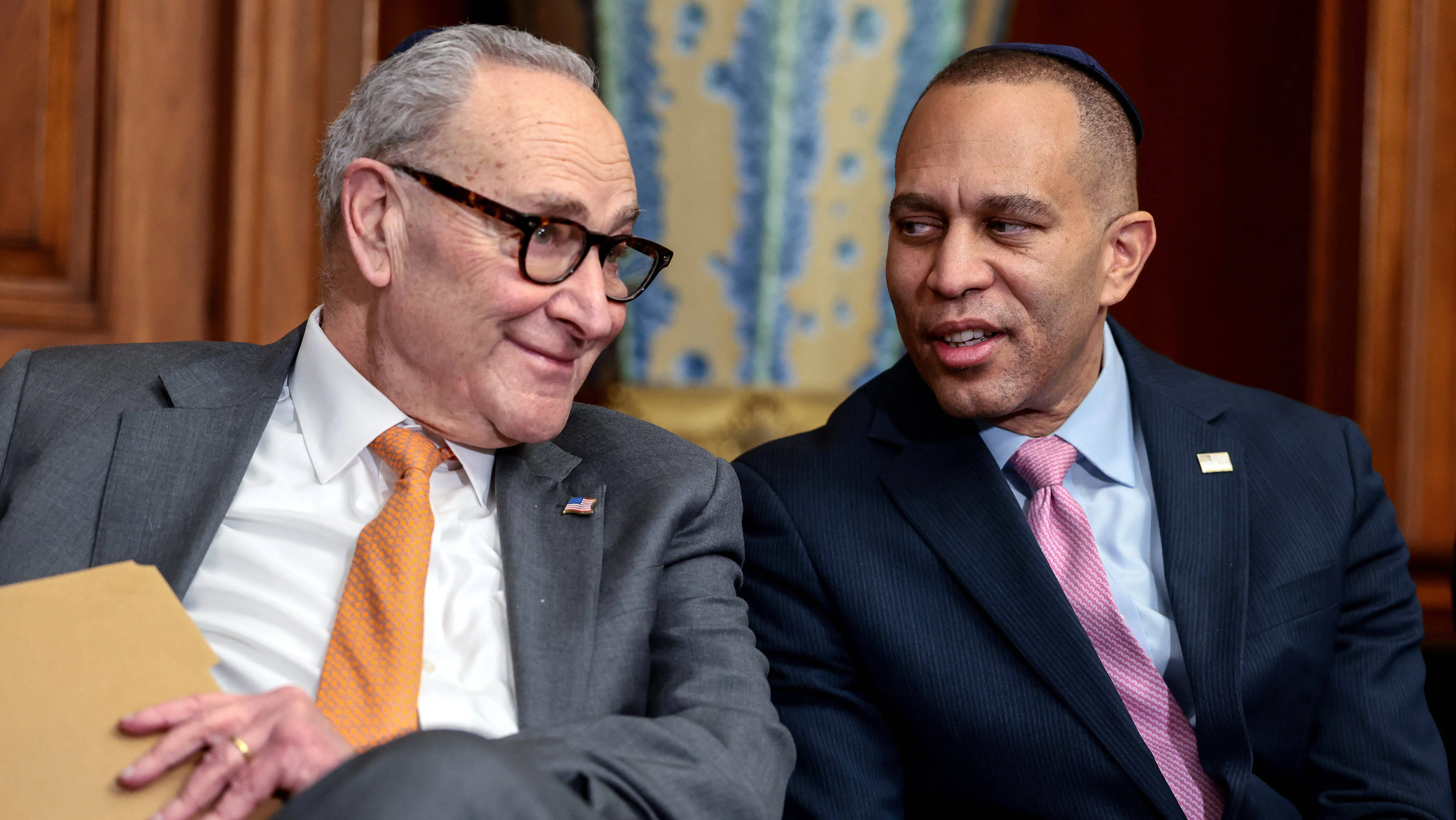
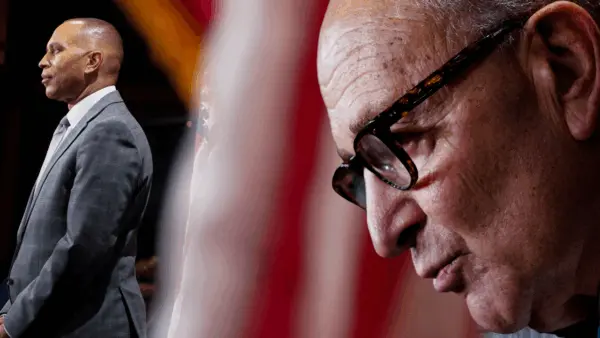
Democrats, led by Sen. Chuck Schumer (D-NY) and House Minority Leader Hakeem Jeffries (D-NY), have been pushing for a health care bill that would extend expanded tax credits to buy ACA health care plans and make other reforms ostensibly tied to the issue of affordability.
But an analysis conducted by WABC of campaign finance records shows that since 2017, the Greater New York Hospital Association (GNYHA)– one of the most influential hospital trade groups in the country and a major player in New York politics, which has been heavily engaged in lobbying against proposed payment reforms including proposed site-neutral payment reforms– has donated more than $37 million to super PACs dedicated to electing Democrats to Congress, according to Federal Election Commission (FEC) records.
FEC data show that $32 million of that went to the Schumer-aligned Senate Majority PAC and affiliated front group Duty And Country.
$4.5 million went to House Majority PAC, which is affiliated with Hakeem Jeffries.
During the same period, federal records show no comparable support for Republican super PACs.
Health care policy consultants say the current iteration of the package being weighed aligns with GNYHA priorities where site-neutral reforms are concerned.
GNYHA counts among its members New York Presbyterian, which is currently the subject of a federal antitrust probe focused on alleged unlawful practices designed to keep its fees artificially high, and which in December settled a case brought by the United States Attorney’s Office for the Southern District of New York involving an alleged kickback scheme.
Another member is Mt. Sinai, which is currently locked in a dispute with insurer Anthem where the insurer alleges the system is seeking a 50 percent increase in rates Anthem pays, and which was busted a few years ago for overbilling Medicare to the tune of $42 million.
Montefiore, a system that spends lavishly on self-promotional items including short films costing tens of millions of dollars directed by Oscar-nominated figures and starring major Hollywood celebrities like Paul Giamatti, is also a member. That system also funds a private security force for its CEO, filings in a 2021 lawsuit revealed, and for several years was paying management consultant giant anything from $25 million to $41 million a year.
Another member is Northwell, which was busted for overbilling patients for COVID-19 vaccines, and before that settled a lawsuit brought by the United States Attorney’s Office for the Southern District of New York alleging the system submitted fraudulent Medicare claims.
Nonpartisan government analysts have repeatedly documented the likely value of site-neutral reforms like those opposed by GNYHA.
The Congressional Budget Office found in a budget option analysis that aligning payment rates for identical outpatient services would reduce federal spending primarily by eliminating price differentials, not by reducing access to care. Similarly, the Government Accountability Office has documented that Medicare often pays significantly more for the same outpatient services when delivered in hospital settings, increasing overall program spending and patient cost-sharing.