


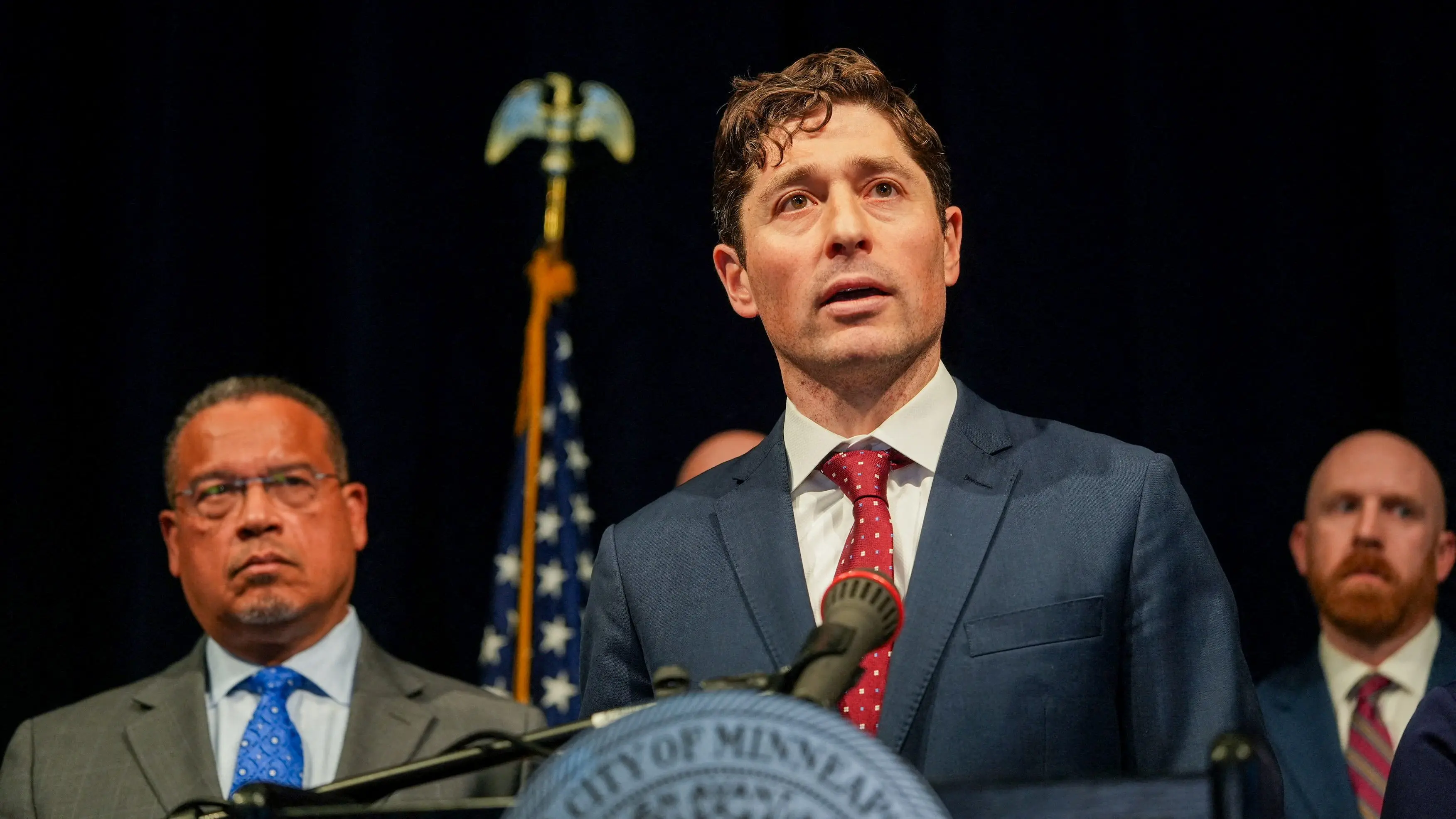
Minneapolis Mayor Jacob Frey speaks at a press conference, after an ICE agent fatally shot Renee Nicole Good, in Minneapolis, Minnesota, U.S., January 12, 2026. REUTERS/Tim Evans
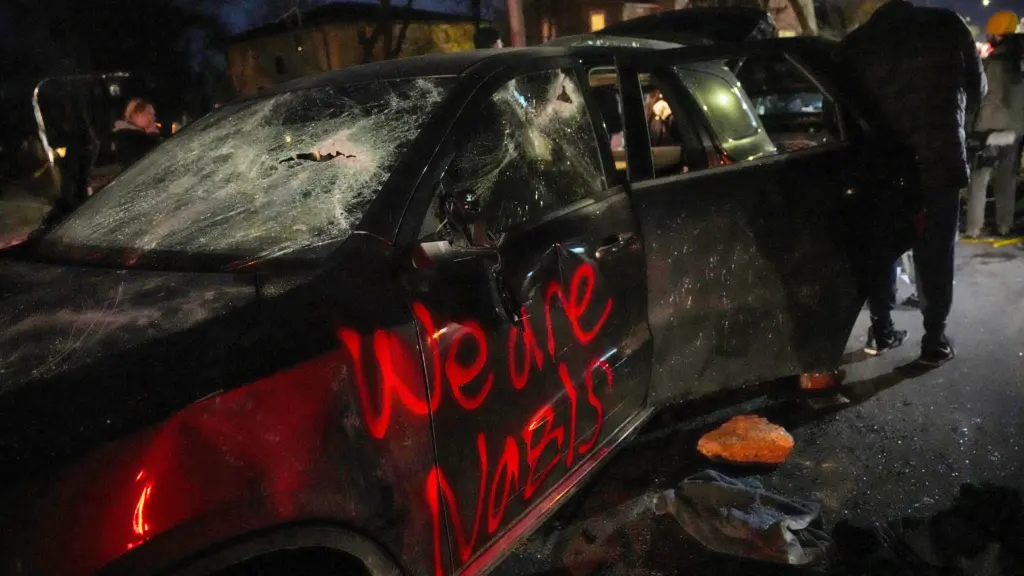
Aftermath of the fatal shooting of Renee Nicole Good, in Minneapolis
(Minneapolis, Minnesota) – The State of Minnesota, along with the cities of Minneapolis and St. Paul, has filed a federal lawsuit seeking to halt a massive immigration enforcement surge ordered by the Trump administration, arguing the operation is unconstitutional and unlawfully targets the state.
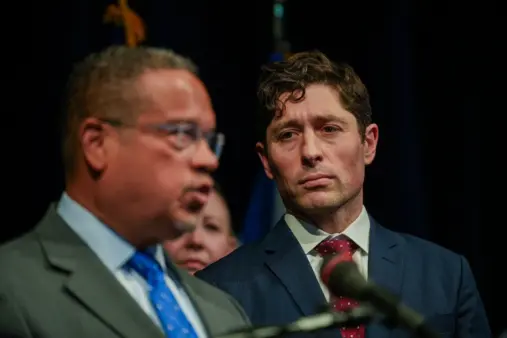
The lawsuit, filed Monday by Keith Ellison, names several top federal officials as defendants, including Homeland Security Secretary Kristi Noem, ICE Director Todd Lyons, and Border Patrol Chief Gregory Bovino. State leaders are asking a federal judge to immediately block the surge and prevent similar enforcement actions in Minnesota going forward.
Federal officials say more than 2,100 ICE agents and Homeland Security investigators have been deployed to Minnesota as part of what DHS has described as its largest immigration operation in the state’s history. The Trump administration maintains the effort is focused on combating fraud and criminal activity, but state and city leaders argue ICE lacks the authority and expertise to carry out such investigations.
Minnesota officials say the enforcement surge has already caused “serious harm,” pointing to the fatal shooting of Renee Good on Jan. 7 during an encounter with an ICE officer. While federal officials have defended the officer’s actions, state leaders dispute the justification, citing video evidence and escalating tensions surrounding ICE operations in the Twin Cities.
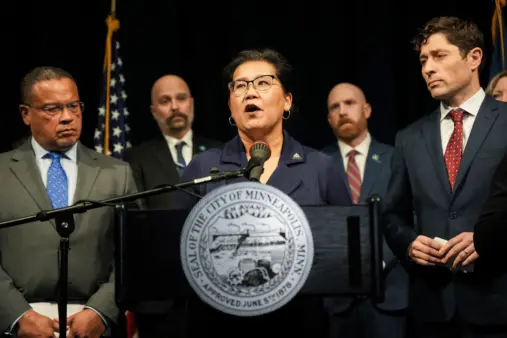
In a statement, Ellison accused the administration of politically targeting Minnesota, arguing the surge violates the Constitution by undermining state sovereignty and disrupting schools, local law enforcement, and courts. The lawsuit further alleges that DHS agents have engaged in excessive force, warrantless arrests, and actions that infringe on states’ rights under the 10th Amendment.