






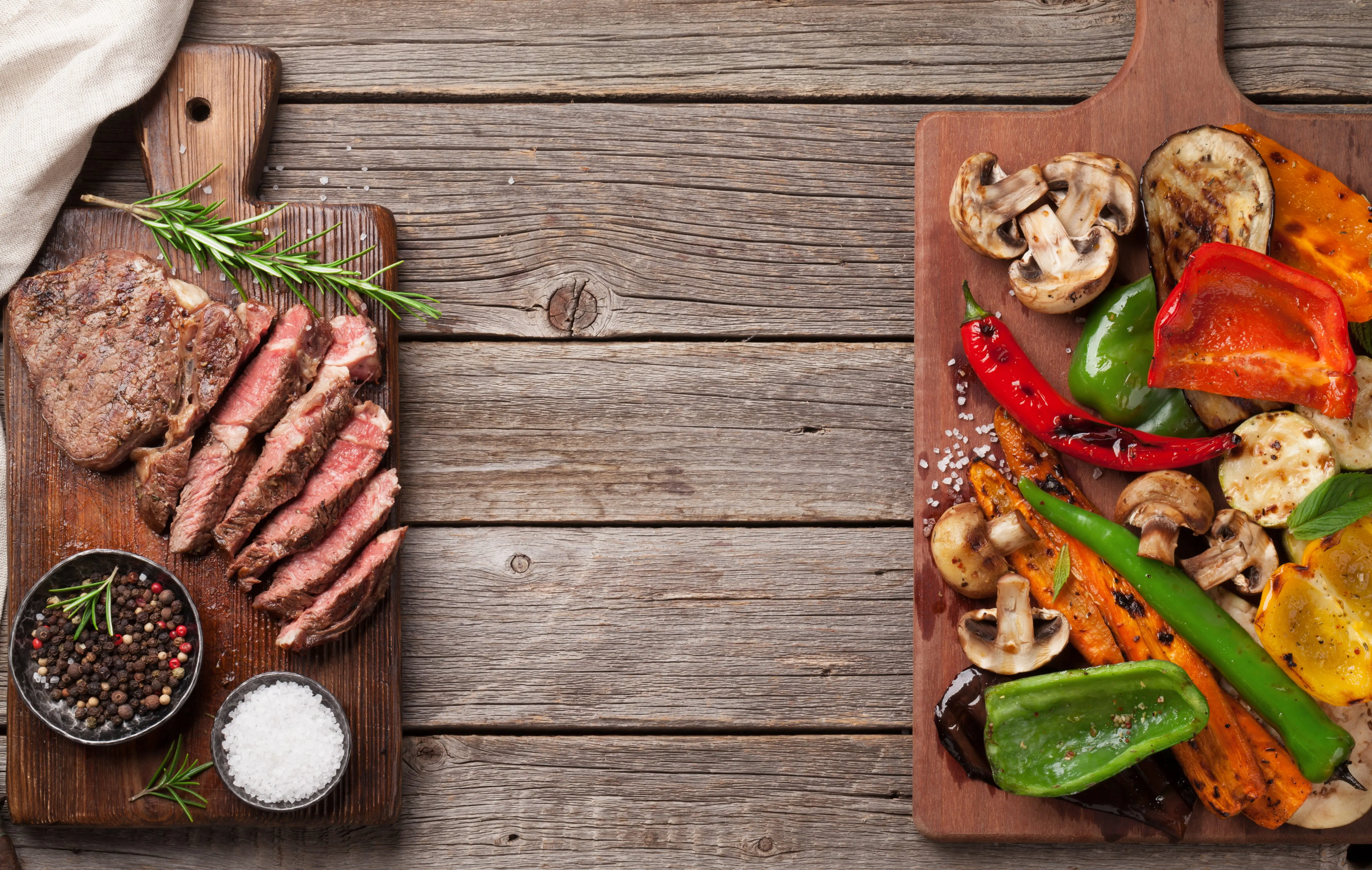
Animal Based VS Plant Based Diets
Animal Based VS Plant Based Diets
With so much information available, many people are increasingly confused about whether a plant-based or animal-inclusive diet is best. So what is right for you? The answer simply is, it’s not that simple: it depends on several individual factors. Nutrition is not one-size-fits-all, nor should it be driven by trends. Whether someone thrives on a predominantly plant-based diet or benefits from including animal foods depends on health status, lifestyle, ethics, and individual metabolic needs. Let’s look at the benefits;
Who may benefit most from a plant-based diet
A whole-food, plant-based eating pattern, rich in vegetables, fruits, legumes, whole grains, nuts, and seeds, has been consistently linked to lower risks of heart disease, type 2 diabetes, obesity, and certain cancers. Individuals with elevated cholesterol, hypertension, insulin resistance, or a strong family history of cardiovascular disease often see measurable improvements when animal products are minimized.
Plant-based diets are also high in fiber and phytonutrients, which support gut health and help reduce systemic inflammation. Research summarized by the Harvard T.H. Chan School of Public Health associates’ plant-centered dietary patterns with longevity and reduced chronic disease risk.
Who may benefit from including animal foods
Some people do better with a mixed or animal-inclusive diet, particularly when it is thoughtfully sourced and nutritionally balanced. Highly active individuals, that are athletic and performance based, or older adults at risk of muscle loss, and those with increased protein or micronutrient needs, such as vitamin B12, iron, zinc, or omega-3 fatty acids, may find moderate amounts of fish, eggs, or lean meats supportive.
The National Institutes of Health notes that protein quality and overall nutrient density can play an important role in preserving muscle mass and metabolic health, especially with early development and with aging.
What matters more than the label
Quality and balance outweighs philosophy. A plant-based diet built around refined carbohydrates, and ultra-processed foods will not outperform a balanced nutrient dense diet that includes responsibly raised animal products alongside abundant nutrient dense vegetables and fruits. Likewise, meat-heavy diets low in fiber and plant foods are associated with poorer health outcomes.
Many experts point to plant-forward approaches, such as the Mediterranean-style diet, as a practical middle ground offering long-term health benefits. As Hippocrates, the father of medicine, famously advised: “Nothing in excess.”
Perspective
Another important factor in choosing between plant-based and animal-inclusive diets involves ethics, philosophy, religious beliefs, cultural traditions, and environmental considerations. These perspectives often reflect differing views on humanity’s relationship with nature and what foods people believe are appropriate to consume.
Bottom line
Experts seem to agree that no one diet fits best and needs an individual approach. The best diet is one that is nutrient-dense, sustainable, and tailored to the individual, while meeting nutritional needs and avoiding deficiencies. For many people, emphasizing on plant sources while thoughtfully including moderate animal foods, if desired, offers both health benefits and flexibility. For others the plant based diet is the clear healthier choice for mindful nutrition. Whichever you chose, make sure you consult with your doctor to make sure you are balancing your nutrients. The good news is that scientific research continues to explore how genetics and other factors such as microbiome heath, may influence individual nutritional needs and help you understand what may work best for you.
So how does one choose a diet? By focusing on individual health needs, lifestyle, personal values, and long-term sustainability. The most effective approach is one that supports overall well-being, can be maintained over time, and is guided by credible science rather than trends
Medical Disclaimer:
This article is intended for informational and educational purposes only and does not constitute medical advice. Dietary needs vary by individual. Readers should consult with a physician, registered dietitian, or certified nutritionist, before making significant changes to their diet, especially if they have existing medical conditions, are pregnant or nursing, or are taking prescription medications.
References/Sources: