







© Photo/Christina Dicken/News-Leader via Imagn Content Services, LLC
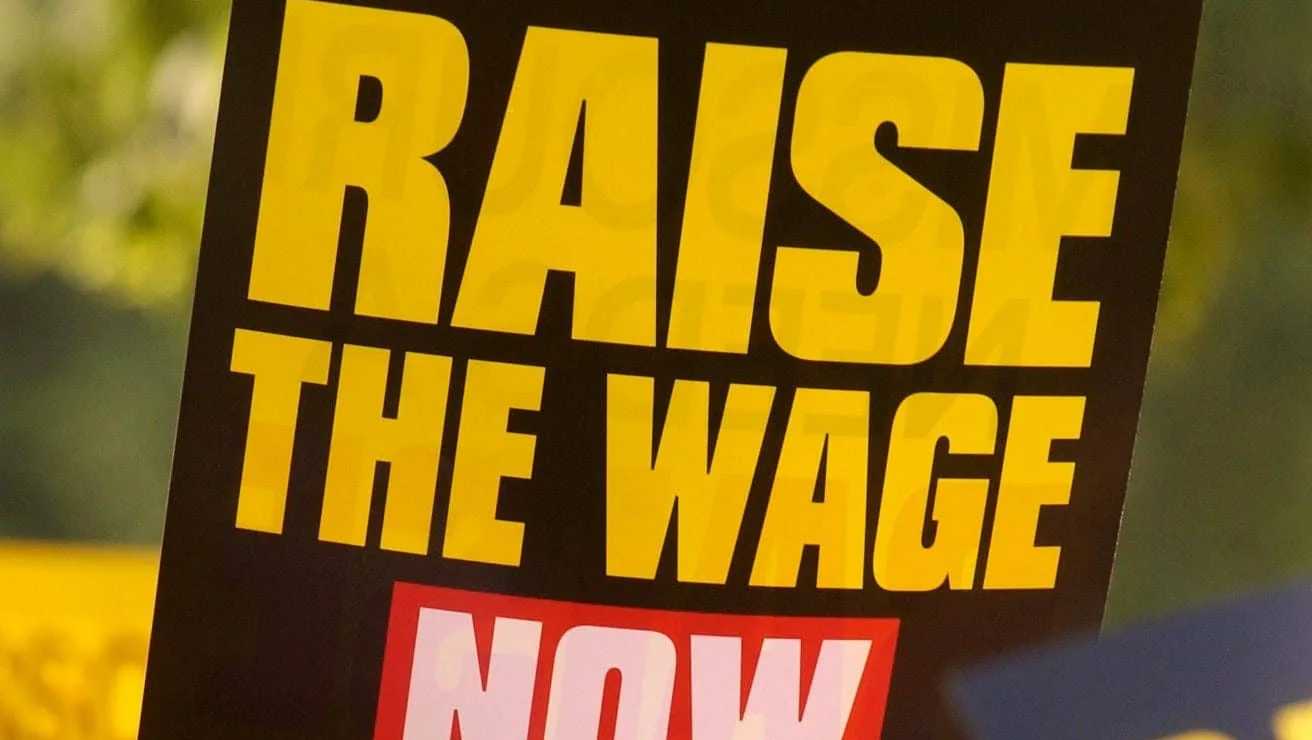
(New York, NY) — Minimum wage workers across the tri-state saw a pay raise January 1st. The minimum wage in New York City, Long Island, and in Westchester County increases to 17-dollars an hour, the second-highest minimum wage in the nation. It goes to 16-dollars across the rest of New York. Employers also have to adjust to scheduled changes to the tip credit, meal credit, uniform allowance and salary exemption thresholds.
Minimum wage has risen to 15-dollars-and-92-cents in New Jersey. prompting worries in neighboring Delaware and Pennsylvania, where the minimum wages remain lower.The minimum wage in Connecticut stretches to 16-94 an hour.

While the cost of living has certainly increased in the Tri-State area, and an increase in minimum wages is welcomed by employees, it comes at a cost:
-
- Job Losses: Businesses, especially small ones with thin margins, may lay off staff to manage higher labor costs.
- Reduced Hours/Benefits: Employers might cut employee hours, benefits (like health insurance or paid time off), or perks instead of firing people.
- Less Hiring: Fewer new jobs are created, and entry-level positions for inexperienced workers (youth, immigrants) shrink, hindering skill development.
- Increased Automation: Higher wages can accelerate the adoption of technology to replace human labor
- Higher Prices: Businesses often pass increased labor costs to consumers through higher prices for goods and services, impacting everyone.
- Strain on Small Businesses: Smaller businesses can struggle more than large corporations to absorb wage hikes, potentially leading to closures.
- Increase in Taxes: low-income workers could be pushed into a higher tax bracket.
Do those problems off-set the benefits or are they surmountable?
- Improved employee retention: By offering higher wages, businesses can attract and retain talented employees, reducing turnover costs and maintaining a stable workforce.
- Increased productivity: Fair wages motivate employees to work harder and contribute more to the business’s success, improving efficiency and performance.
- Encouraging spending: When low-wage workers earn more, they have more purchasing power, stimulating demand for products and services that benefit businesses and help the economy grow. That, in turn, also provides an improved quality of life.
- Reduced Reliance on Social Programs: A good portion of the people who heavily rely on state and federal social programs are often those earning minimum wage.
In the years thereafter, wages are set to increase annually with the Consumer Price Index (CPI) to keep pace with rising costs.