






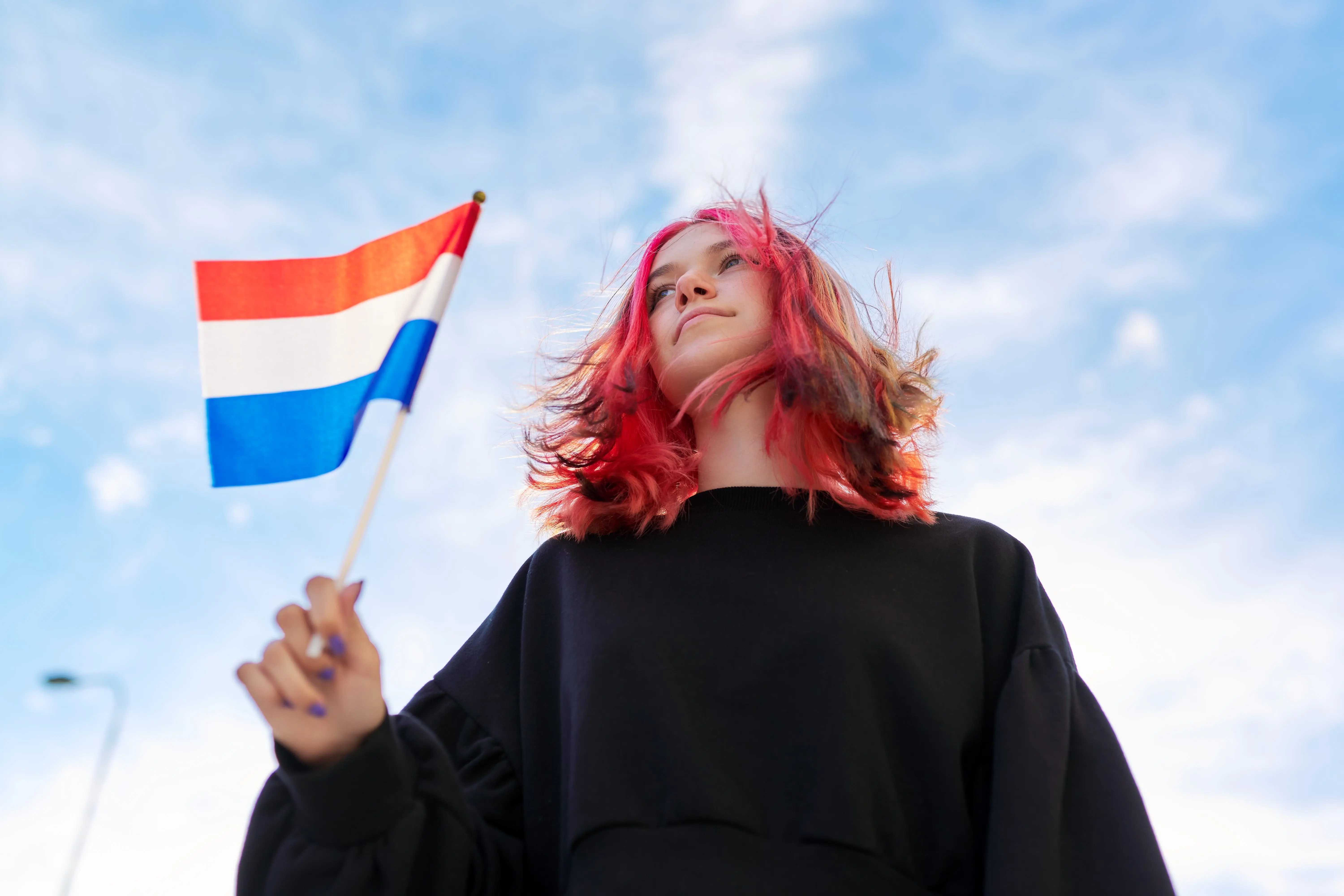
Girl with the flag of the Netherlands Netherlands
Girl with the flag of the Netherlands Netherlands
NETHERLANDS- The Netherlands is facing a political deadlock after an unprecedented election result that left two parties tied for first place. In the October 29 general election, the centrist Democrats 66 (D66) and the far-right Party for Freedom (PVV), led by Geert Wilders, each won 26 seats in the 150-member House of Representatives, a result never seen in Dutch politics. AP News
A Shock Result for the Netherlands
The outcome surprised many analysts, who had predicted a clearer win for one of the major parties. The tie reflects a deeply divided electorate and a growing fragmentation across Dutch politics, where more voters are supporting smaller parties and moving away from traditional blocs. According to Reuters, while Wilders and his PVV have long been known for their nationalist and anti-immigration stance, Rob Jetten, the leader of D66, campaigned on unity, sustainability, and pro-European policies. The strong performance of D66 marked its best result in history, gaining 17 more seats compared to the last election. Reuters
Coalition Talks Underway
No single party in the Netherlands ever governs alone, and this result makes coalition talks even more complicated. Mainstream parties, including the conservative VVD, have already said they are unwilling to form a government with Wilders, citing his past anti-Islam and anti-EU remarks. ((The Guardian)
A Broader European Message
Across Europe, the Dutch result is being watched closely. Experts say the split vote reflects a wider struggle between populist nationalism and centrist pro-democracy forces. For now, the Netherlands faces weeks, possibly months, of political bargaining. One thing is clear: Dutch voters want balance, not dominance, in their government’s future.
Sources: