






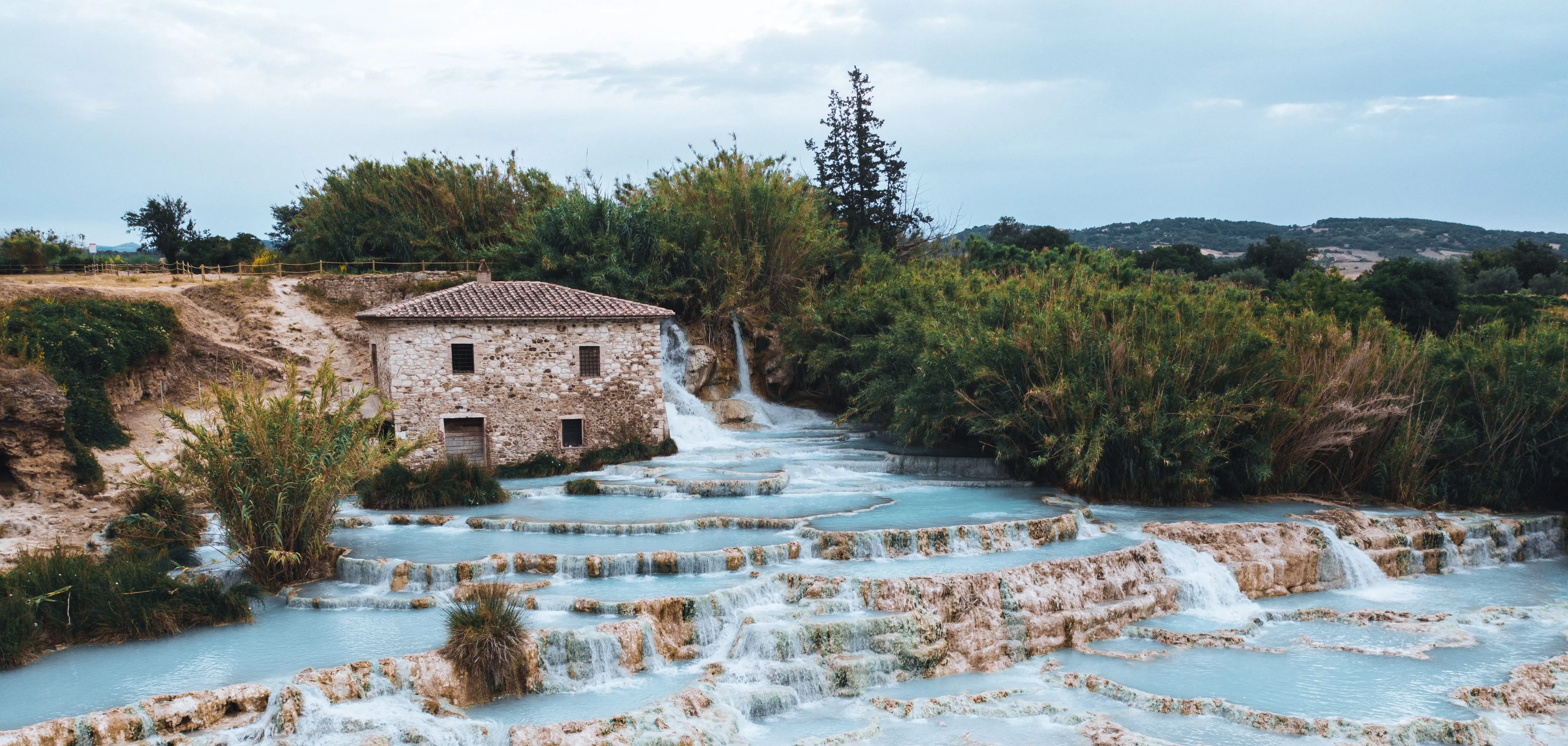
Saturnia thermal pool, Tuscany Italy. The thermal sulphurous water of Saturnia
Saturnia thermal pool, Tuscany Italy. The thermal sulphurous wat
We all know water as the source of life, however, some waters offer far more than hydration. Deep beneath the surface of the earth, a quiet transformation happens water seeps through layers of rock, gathering minerals and geothermal warmth that give it unique healing qualities. These natural mineral and thermal waters have soothed body and mind for millennia, and now, science is confirming what ancient civilizations long understood and knew, that this elemental gift supports wellness in ways ordinary water cannot. Imagine, Hippocrates the II, Father of Modern Medicine, was prescribing thermal spring therapy over 2,000 years ago. Today, these springs are being celebrated once again with the rise of people seeking alternative therapies for health, wellness & longevity
The Mineral Magic Beneath the Earth
Every mineral spring begins its journey underground, where water slowly picks up nutrients from the earth’s crust. The result is a variety of minerals with its own distinctive profile that influences its taste, texture, and therapeutic properties.
Among the key players:
- Calcium, vital for strong bones and muscle function
- Magnesium, which helps calm the nervous system and reduce stress, also aids in constipation.
- Potassium, a regulator of hydration and blood pressure, as well as for relieving cramps.
- Bicarbonate, a natural aid for digestion and pH balance
These waters do more than quench thirst, they replenish the body with trace minerals that modern diets often lack. Scientific studies have begun to catch up with traditional wisdom. Research published in Scientific Reports (Askari et al., 2021) and Current Research in Food Science (Farag et al., 2023) shows that drinking mineral water can meaningfully contribute to daily nutrient intake and metabolic health.(PMC)
Beauty Benefits: What These Waters Do for Your Skin
If you’ve ever soaked in a hot spring or spritzed your face with mineral water, you’ve already felt its difference. Across Europe and Asia, especially South Korea, entire spa cultures have formed around the practice of bathing in or simply misting with mineral-rich waters to rejuvenate the skin.
Science is now validating these age old rituals. Minerals such as magnesium, selenium, and silica have been shown to improve skin hydration and elasticity while strengthening the barrier that locks in moisture. In one study published in the Journal of the European Academy of Dermatology and Venereology (Proksch et al., 2005), saltwater baths high in magnesium significantly reduced skin roughness and inflammation.
Thermal spring waters like Avène, studied by Saint-Léger et al. (2018) in Skin Pharmacology and Physiology, have demonstrated natural anti-inflammatory effects and the ability to restore balance to the skin’s microbiome, a breakthrough for conditions such as eczema, rosacea, and dermatitis.
These waters are now commonly used to calm:
- Irritated or inflamed skin
- Acne-prone complexions
- Sunburn and post-procedure sensitivity
- Dryness or premature aging
Warm, geothermal baths go a step further by boosting circulation and oxygen flow, encouraging the production of collagen and a radiant, healthy complexion.
Ancient Waters, Modern Wellness
The world’s fascination with healing springs stretches back thousands of years. The ancient Greeks bathed in the thermal waters of Loutraki and Edipso, while the Romans built entire spa towns like Baden-Baden around them. In Japan, the onsen tradition communal bathing in natural hot springs remains an essential ritual of relaxation and renewal. Saturnia, Tuscany in Italy is also a a popular destination for its thermal pools.
In Greece, one of my very own favorite thermal water spas is the Loutraki geothermal springs, mentioned as far back as the writings of ancient historian Xenophon, bubbles are up at around 33°C. Rich in magnesium, sodium, and hydrogen sulfide, their mildly alkaline composition is known to support circulation, detoxification, and skin health. (Loutraki Thermal Spa)
Across the Atlantic, U.S. hot springs like St. Augustine, Florida, discovered by the Spaniards and may even be the famed “Fountain of Youth” reference, and Pagosa Springs, Colorado, draw visitors seeking relief from joint pain, fatigue, and skin irritation. Recent reviews in International Journal of Biometeorology (Fioravanti et al., 2019) show measurable benefits for musculoskeletal and dermatological issues — proving that the ancient practice of balneotherapy still holds relevance in modern medicine.
Healing Inside and Out
Immersing yourself in mineral-rich water can do wonders for sore muscles, inflamed joints, and stressed nerves. But the benefits don’t end at the surface. Drinking mineral water, a form of hydrotherapy supports internal balance as well.
Calcium-rich waters promote bone health, while those containing magnesium and bicarbonates help regulate digestion and maintain pH equilibrium (Tu et al., 2024; Heaney, 2000). Together, external bathing and internal hydration create a holistic wellness ritual — one that detoxifies, rebalances, and rejuvenates from the inside out. (PubMed)
Soak Smart: Tips for Safe Enjoyment
To make the most of these waters while staying safe:
- Visit certified natural springs or spas with tested mineral content and a Doctor on site for clearance of use.
- Start with 15–20-minute soaks, especially if you have sensitive skin
- Drink mineral water in moderation to maintain healthy electrolyte levels
- There are contraindications- so be sure to consult your doctor if you have heart, vascular, or kidney issues, and venereal diseases.
- Pair your bathing therapy routine with balanced nutrition and exercise, and good sleep habits.
Nature’s Original Pharmacy
As wellness trends shift toward natural and sustainable self-care, the world is rediscovering what our ancestors already knew: water heals. Far from being just a spa indulgence, mineral and thermal waters offer a form of medicine gifted by the earth — pure, simple, and profoundly effective.
From the warm springs of Loutraki to the geothermal pools of Colorado, the message is the same: when we approach water not merely as a resource but as a living element, it becomes one of the most powerful tools for transformation — inside and out.
After all, I always say “nature often provides the best remedies!”, and my favorite Hippocrates quote we should all adopt in life, “Nothing in Excess”.
Disclaimer: As with all therapies, consult with your doctor before use.
Sources/References:
Askari, M. et al. (2021). Assessing the Contribution of Bottled Water to Nutrient Intake. Scientific Reports (Nature).
Farag, M.A., Abib, B., Qin, Z., et al. (2023). Dietary Macrominerals: Updated Review of Their Role in Human Nutrition. Current Research in Food Science, 6:100450.
Heaney, R.P. (2000). Calcium, Dairy Products and Osteoporosis. Journal of the American College of Nutrition, 19:83S–99S.
Proksch, E., et al. (2005). Magnesium Salts Improve Skin Barrier Function in Atopic Dry Skin. Journal of the European Academy of Dermatology and Venereology.
Saint-Léger, D., et al. (2018). Avène Thermal Spring Water and Skin Inflammation: Clinical and Microbiome Studies. Skin Pharmacology and Physiology.
Fioravanti, A., et al. (2019). Balneotherapy for Skin and Musculoskeletal Diseases: Evidence-Based Review. International Journal of Biometeorology.
Tu, Z., Yang, J., Fan, C., et al. (2024). Nutrients in the Prevention of Cardiovascular Diseases. Frontiers in Immunology.