






israel-and-palestine-conflict-or-war-situation-ref-2024-12-01-11-09-23-utc
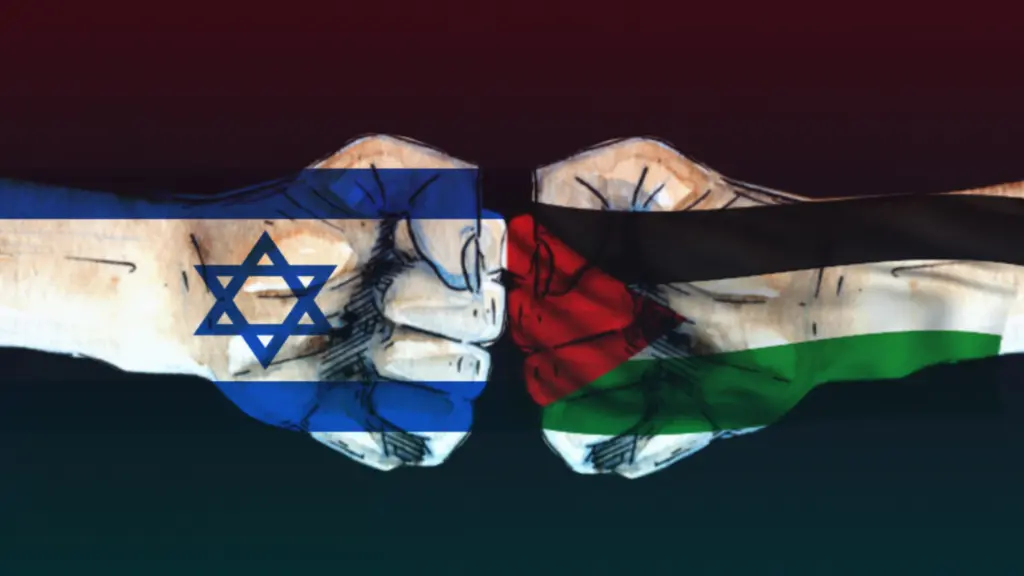
October 9, 2025 (AP News)– A breakthrough ceasefire deal in the Middle East is receiving global praise from world leaders, with many describing it as a significant step toward peace in the region.
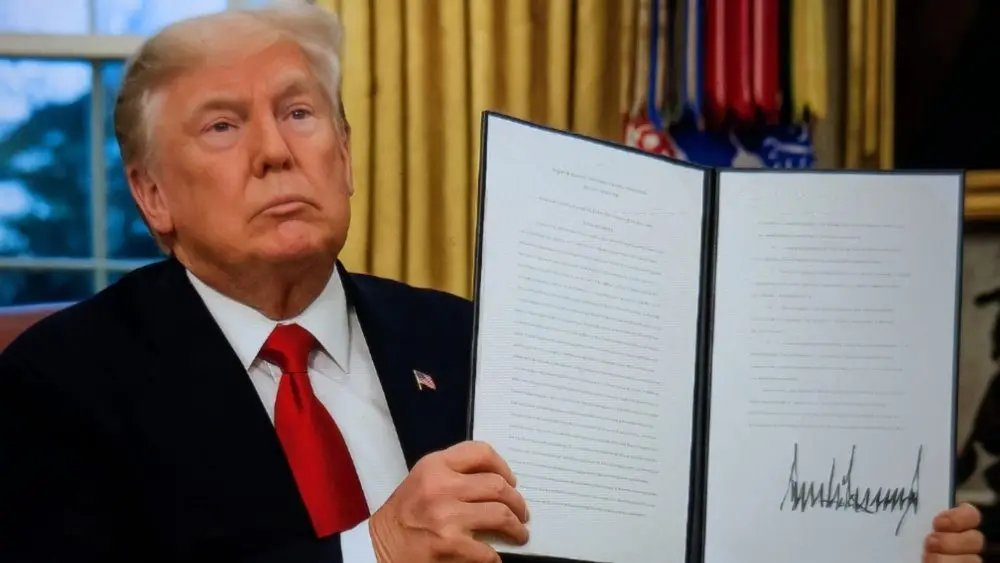
According to the Associated Press, Argentine President Javier Milei called the agreement “historic” and announced he would nominate former U.S. President Donald Trump for the Nobel Peace Prize in recognition of his role in the negotiations (AP News). Canadian Prime Minister Mark Carney expressed hope for the swift reunification of hostages with their families and urged all parties to implement the deal without delay.
Other global leaders have echoed similar sentiments. New Zealand Foreign Minister Winston Peters said the agreement marked a “positive first step” toward easing the immense suffering endured by both Israelis and Palestinians. Japan’s Chief Cabinet Secretary Yoshimasa Hayashi called it a “major step” toward a two-state solution. Lebanon’s President Joseph Aoun hoped the deal would lead to a permanent ceasefire and relief for Palestinians in Gaza.
Saudi Arabia also issued a statement welcoming the agreement, calling for urgent humanitarian efforts and a full Israeli withdrawal from Gaza.
Egypt Plays a Central Role
Egypt has played a key role in facilitating the ceasefire. President Abdel-Fattah el-Sissi met Thursday in Cairo with U.S. envoy Steve Witkoff and Jared Kushner, who had just come from Sharm el-Sheikh where the deal was brokered. El-Sissi voiced his support for the agreement and extended an invitation to Donald Trump to attend a signing ceremony in Egypt, emphasizing that the desire for peace is shared by nations across the world (AP News).
The agreement is expected to include a list of Palestinian prisoners to be released and a plan for the phased withdrawal of Israeli forces from parts of Gaza. The prisoner list will be made public, allowing victims’ families a 24-hour window to raise objections. According to Egyptian and Hamas officials, the withdrawal could begin as early as Thursday evening, and the hostage exchange may start by Sunday or Monday.
Humanitarian Challenges Ahead
Despite the optimism, challenges remain. UN Secretary-General António Guterres welcomed the agreement but warned that a ceasefire alone is not enough. He emphasized the need to ensure safe access for humanitarian workers, reduce bureaucratic hurdles, and rebuild Gaza’s damaged infrastructure. “This is a glimmer of relief that must become a turning point,” he said, calling for a renewed push toward a political resolution and the two-state solution (AP).
Ongoing Violence and High Human Cost
Even as the peace agreement nears finalization, fighting has continued. On Thursday, Israeli airstrikes reportedly killed at least 11 Palestinians and wounded dozens more, according to Gaza’s Health Ministry. The war began after a Hamas-led attack killed 1,200 Israelis and led to 251 hostages being taken. Since then, over 67,000 Palestinians have been reported killed in Gaza, with nearly 170,000 injured. While exact numbers are difficult to verify, the United Nations continues to rely on the Health Ministry’s figures as the most comprehensive available.
As the deal moves toward formal signing, global eyes remain on the region, hoping this marks the beginning of a long-awaited shift toward peace and recovery.